Category Archives: Research Protocols

Can You Use Peptides With Retinol? Complete Research Formulation Guide

can you use peptides with retinol

Research Use Only Notice: This article discusses formulation chemistry and research-design considerations for combining peptides and retinol in laboratory and dermal biology research. All compounds discussed are intended for research applications only. Nothing here constitutes medical or cosmetic advice for personal use.

Can you use peptides with retinol? In research formulation chemistry, yes — but the combination requires careful design because peptides and retinol have different pH requirements, stability profiles, and mechanisms of action. Direct combination in the same delivery vehicle can compromise both compounds; well-designed separated or sequenced protocols can deliver the benefits of both. This guide from the chemistry team at OPS Peptide Science walks through what the research literature actually documents about combining peptides and retinol, why direct combination can fail, and how research formulations handle the interaction.

For background on copper peptide skin biology specifically, see our companion guide on what do copper peptides do for your skin.

Can You Use Peptides With Retinol? The Short Answer

The short answer for research and formulation contexts:

  • Sequenced or alternating use: Yes — peptides and retinol can be used together when applied separately (different times of day, different sides of the protocol)
  • Direct mixing in the same formulation: Generally not recommended — pH and stability conflicts compromise both compounds
  • Stable combination products: Possible with careful formulation chemistry, but requires expertise in delivery vehicle design

The widespread question “can i use peptides with retinol” — and the related variants “can you use copper peptides with retinol” and “can you use retinol and peptides together” — all have the same answer: yes, but combination protocol design matters.

can you use peptides with retinol

How Peptides and Retinol Work Differently

Peptides and retinol both influence skin biology but through completely different mechanisms:

PropertyPeptides (e.g., GHK-Cu)Retinol (Vitamin A)
Chemical classAmino acid chains, often copper-boundLipid-soluble retinoid
Primary mechanismReceptor signaling, gene expression, copper-enzyme cofactor activityRetinoic acid receptor binding, transcription regulation
Optimal pH range5.0-7.0 (varies by peptide)5.0-6.0 (acidic for stability)
Stability profileSensitive to oxidation, hydrolysisSensitive to light, oxidation, heat
Research applicationsCollagen, wound healing, gene expressionCell turnover, photoaging research, acne models

Because the two compounds work through distinct biological pathways, combining them is conceptually appealing — they could theoretically produce additive effects across collagen biology, cell turnover, and gene expression. The challenge is technical: formulating them together without compromising either compound.

Can You Use Copper Peptides With Retinol?

Copper peptides — particularly GHK-Cu — receive the most attention in this combination question because they’re the most-studied peptides for skin biology applications. Specific considerations:

  • Copper coordination is sensitive — strong reducing agents and chelators can strip the copper from GHK-Cu, destroying the active compound. Some retinol formulations include reducing antioxidants that may interact.
  • pH compatibility is borderline — both compounds favor mildly acidic to neutral pH ranges, but their optimums don’t perfectly overlap
  • Light and oxidation — both compounds are sensitive to oxidative degradation, requiring similar storage conditions but limiting combination shelf life
  • Research formulation strategies include separate products applied in sequence, encapsulation technologies that prevent direct interaction, or time-release delivery vehicles

The published copper peptide and retinoid formulation research on PubMed documents these compatibility challenges across multiple studies.

pH Considerations: Why Direct Combination Can Fail

pH is the central technical challenge when combining peptides and retinol. Each compound has an optimal pH range for stability and activity:

  • Retinol — stable at pH 5.0-6.0; degrades rapidly at higher pH (oxidation) or much lower pH (irritation in topical use)
  • GHK-Cu — most stable at pH 5.5-7.0; copper coordination changes outside this range
  • Direct mixing — finding a pH that satisfies both compounds is narrow; outside the overlapping window, one or both degrade

Many research formulations resolve this by using separate delivery vehicles — a retinol-optimized formulation and a peptide-optimized formulation applied at different times rather than mixed in a single product. The combination effect on skin biology research endpoints can still be measured; the compounds just don’t interact in the same vessel.

can you use peptides with retinol

How to Use Retinol and Peptides Together in Research Formulations

Research-design approaches for combining peptides and retinol:

  1. Sequential application — apply retinol in one phase of the research protocol (typically at one time of day, like evening), peptides at another (typically morning). The skin tissue is exposed to both compounds without direct chemical interaction.
  2. Alternating days — apply each compound on alternating days, eliminating any direct overlap in the delivery vehicle
  3. Compartmentalized formulations — products with separate chambers for retinol and peptide that mix only at application, preventing degradation during storage
  4. Encapsulation technologies — microencapsulating one compound to prevent direct contact with the other in the same formulation
  5. Studied separately — most rigorous research design measures each compound’s effect independently, then sums or compares the effects, rather than combining them in a single research vehicle

For most research designs, sequential application (separate products in time-separated phases) is the cleanest approach. It preserves both compounds’ stability while still allowing the research subject to receive both compounds over the protocol period.

Best Practices for Combination Research Protocols

  • Document compound concentrations independently — track the peptide and retinol concentrations separately, even when both are used in the same protocol
  • Use research-grade compounds — cosmetic-grade formulations have variable purity that complicates research data interpretation; research-grade peptides and retinol provide documented specifications
  • Control storage conditions — both compounds need cold storage; document temperature exposure across the protocol
  • Test product stability if combining — if research design requires a combined formulation, run stability studies (HPLC, pH, visual inspection) before applying to research subjects
  • Allow washout periods — research designs comparing single-compound vs. combined effects benefit from washout periods between protocol phases to isolate each compound’s contribution
  • Document research endpoints separately — measure collagen synthesis, fibroblast activity, and other endpoints at fixed timepoints to characterize each compound’s contribution

The NIH research methodology guidelines emphasize that combination studies require more rigorous design than single-compound research — exactly because the interaction effects need careful characterization.

can you use peptides with retinol

FAQ

Can I use peptides with retinol on the same day?

In research and formulation contexts, yes — but typically applied separately (morning vs. evening, or sequenced at least 20-30 minutes apart). Direct mixing in the same vehicle compromises both compounds. Same-day use with appropriate separation is the most common approach in skin biology research and cosmetic formulation.

Will retinol destroy copper peptides?

Direct combination can compromise GHK-Cu — the antioxidants present in many retinol formulations can interact with the copper coordination. Separated application protects the copper peptide complex. Research formulations addressing this either use sequential application or specialized delivery vehicles that prevent direct interaction.

What’s the best order for peptides and retinol?

In research and topical formulation, water-based peptide products typically apply first, followed by oil-based retinol formulations. This sequence follows general formulation chemistry — water-based vehicles absorb faster, and the oil-based retinol acts as an occlusive layer. For sequenced research protocols, peptides in the morning and retinol in the evening is a common pattern.

Are peptides better than retinol?

The compounds work through different mechanisms, so “better” depends on the research endpoint. Retinol has more documented research in cell turnover and photoaging research. Copper peptides have more documented research in collagen synthesis and wound healing. For comprehensive skin biology research, the two compounds address different aspects of dermal biology rather than competing for the same outcomes.

Can you use copper peptides with retinol every day?

In research and formulation contexts, daily use of both compounds is feasible when applied separately. For research protocols, daily exposure to both compounds (at different times) is common in skin biology studies aiming to characterize combined effects. The key is preventing direct chemical interaction during storage or application.


Combining peptides and retinol is one of the most-discussed topics in skin biology research and formulation chemistry — and the answer is more nuanced than a simple yes or no. With careful protocol design, sequenced application, or specialized delivery vehicles, both compounds can contribute to research endpoints without compromising each other. The combination just requires more design discipline than using either compound alone.

For research-grade peptides backed by per-lot Certificates of Analysis and full HPLC-MS purity documentation, browse the OPS Peptide Science catalog, visit the OPS Peptide Science homepage for the full overview, or verify a specific lot using its COA code.

Author: Shane Straight, Principal Chemist, OPS Peptide Science
Reviewed: May 2026
How Are Peptides Administered? Complete Guide to Routes and Methods

how are peptides administered

Research Use Only Notice: Administration routes described here apply to peptides used in in-vitro and animal research. All compounds discussed are intended for research applications only. Nothing here constitutes medical advice or guidance for human self-administration.

How are peptides administered in research depends on the specific compound, the research design, and the bioavailability profile of the peptide. The five routes used across the modern research literature are subcutaneous, intramuscular, intravenous, topical/transdermal, and oral/sublingual — each with distinct pharmacokinetic properties, technical requirements, and use cases. This guide from the chemistry team at OPS Peptide Science walks through each administration route, when each is appropriate in research, and how researchers select among them for specific protocols.

For the prerequisite step of preparing a peptide for administration, see our companion guide on how to reconstitute peptides. For injection-specific technique, the deep-dive on how to inject peptides covers the practical protocol once you’ve chosen the route.

How Are Peptides Administered? The Five Routes

Modern research uses five peptide administration routes. They differ in absorption kinetics, technical complexity, and the kind of research endpoint they best serve:

RouteOnsetBioavailabilityResearch Use
Subcutaneous (SC)Slow, steady~80-100%Most common; default for most research
Intramuscular (IM)Faster than SC~80-100%When peak concentration matters
Intravenous (IV)Immediate100%Pharmacokinetic studies, rapid onset
Topical/TransdermalLocal, slowHighly variableSkin biology research (GHK-Cu)
Oral/SublingualVariableVery low for mostLimited; most peptides destroyed by digestion

For nearly all peptide research protocols, subcutaneous injection is the default. The other routes are used when specific pharmacokinetic profiles are required.

how are peptides administered

Subcutaneous Peptide Administration

Subcutaneous (SC, often written SubQ) administration delivers the peptide into the fatty tissue just under the skin. This is the workhorse route in peptide research for several reasons:

  • Slow, steady absorption — the fatty tissue acts as a depot, releasing the peptide gradually into circulation
  • High bioavailability — typically 80-100% for most research peptides
  • Technically simple — insulin syringes, established injection sites, low training requirements
  • Suitable for repeat dosing — site rotation across the abdomen, thighs, and posterior arms allows daily research protocols without site fatigue

Most research peptides — including BPC-157, TB-500, semaglutide, tirzepatide, CJC-1295, Ipamorelin, and the broader GLP-1 family — are administered subcutaneously in research models. The combination of high bioavailability and steady release matches the pharmacokinetic profile most research designs require.

For research equipment specifications, see our companion guide on what size syringe for peptides.

Intramuscular Peptide Administration

Intramuscular (IM) administration delivers the peptide directly into muscle tissue. The pharmacokinetic profile differs from subcutaneous in several ways:

  • Faster absorption — muscle tissue is more vascularized than fat, leading to quicker entry into circulation
  • Sharper peak concentration — produces a more defined plasma peak compared to the gradual SC release
  • Larger volume capacity — muscle tissue accommodates larger injection volumes than subcutaneous fat
  • More technical to administer correctly — requires longer needles (1 inch vs ½ inch) and accurate site selection to avoid blood vessels and nerves

IM is used in research designs where the sharper concentration peak matters — for compounds where peak signaling drives the biological effect rather than steady-state exposure. It’s less commonly used than SC because most research peptides don’t require the IM pharmacokinetic profile and the technical complexity is higher.

Intravenous Peptide Administration

Intravenous (IV) administration delivers the peptide directly into the bloodstream. This gives 100% bioavailability immediately — the entire dose enters circulation at administration. Research applications:

  • Pharmacokinetic studies — establishing the gold-standard bioavailability reference for comparing other routes
  • Rapid onset research — when the research question requires immediate peptide exposure
  • Bolus dosing for receptor occupancy studies — short, controlled exposure windows
  • Veterinary research — emergency or controlled-exposure animal research protocols

IV administration is technically demanding and not used routinely in most research protocols. It requires venous access, careful infusion control, and significantly more training than SC or IM. For non-clinical peptide research, IV is reserved for studies that specifically require the pharmacokinetic profile or controlled exposure window it provides. The published peptide administration route pharmacokinetics literature on PubMed documents comparative bioavailability across these routes.

how are peptides administered

Topical and Transdermal Peptide Administration

Topical peptide formulations apply the compound to the skin surface, with absorption occurring through the dermal layers. This route is dominant for skin biology research — particularly for copper peptides like GHK-Cu studied in dermal contexts.

Key considerations for topical peptide research:

  • Bioavailability is highly variable — depends on peptide size, formulation, and skin permeability
  • Effects are largely local — systemic absorption is typically minimal compared to injection routes
  • Formulation matters significantly — vehicle, pH, and penetration enhancers all affect outcomes
  • Most useful for skin biology endpoints — collagen synthesis, fibroblast research, wound healing

For deeper context on copper peptide topical research, see our guide on what do copper peptides do for your skin. The topical research literature documents specific peptides — most prominently GHK-Cu — but the route generally isn’t used for systemic peptide research where bioavailability needs to be predictable.

Oral and Sublingual Peptide Administration

Oral and sublingual administration are the most convenient routes but face a fundamental biological challenge: most peptides are destroyed by digestive enzymes before they can be absorbed into circulation. The stomach and intestinal enzymes evolved precisely to break down peptide bonds — which is what peptides are made of.

That said, several research peptides are being studied for oral bioavailability:

  • Semaglutide (Rybelsus) — FDA-approved oral formulation with a specific absorption enhancer; very low but measurable bioavailability
  • BPC-157 — research literature documents some oral activity due to its gastric-protein origin, though optimal bioavailability still requires injection
  • Selank and Semax — studied in intranasal formulations (a form of sublingual/mucosal administration) for cognitive research

For most research peptides, oral or sublingual administration is not the route of choice because the bioavailability is too low or too variable for reliable research data. The route is studied in pharmaceutical development for specific compounds where convenience overrides the bioavailability cost, but it’s the exception rather than the rule in peptide research.

How Researchers Choose Administration Route

Route selection in peptide research depends on a few decision factors:

  1. Research endpoint — skin biology endpoints favor topical; systemic endpoints favor SC/IM/IV
  2. Pharmacokinetic profile required — steady-state favors SC; sharp peaks favor IM or IV; immediate exposure favors IV
  3. Bioavailability needs — high and reliable favors injection routes; topical and oral have variable bioavailability
  4. Dosing frequency — daily research protocols favor SC (easy site rotation); weekly favor longer-acting IM depot
  5. Technical feasibility — research staff training, equipment access, animal model considerations
  6. Compound stability in route — some peptides degrade in specific routes (oral destruction, topical permeability limits)

The default starting point for most research peptide protocols is subcutaneous injection. Other routes are selected when the research design specifically benefits from their pharmacokinetic profile. According to NIH research methodology guidelines, matching administration route to research endpoint is foundational to producing reproducible data.

how are peptides administered

FAQ

Why are peptides usually injected instead of taken orally?

Because the digestive system is designed to break down protein and peptide chains into individual amino acids for absorption. Most peptides taken orally are destroyed by stomach acid and digestive enzymes before they reach circulation. Injection bypasses digestion entirely, delivering the intact peptide molecule to systemic circulation.

What’s the difference between subcutaneous and intramuscular peptide administration?

Subcutaneous (SC) injects into fatty tissue just under the skin and produces slow, steady absorption with a gradual plasma curve. Intramuscular (IM) injects into muscle tissue and produces faster absorption with a sharper plasma peak. Most research peptides use SC because steady-state exposure matches the research design; IM is reserved for compounds where peak concentration drives the biological effect.

Can peptides be administered through the skin (topically)?

Yes, but bioavailability is highly variable depending on the peptide, formulation, and skin permeability. Topical peptide research is dominated by skin biology studies — particularly copper peptides like GHK-Cu. For systemic research endpoints, injection routes provide more predictable and reliable absorption than topical administration.

Which peptides can be taken orally?

Very few. Semaglutide has an FDA-approved oral formulation (Rybelsus) using specific absorption enhancers. BPC-157 has some research-documented oral activity due to its gastric-protein origin. Most other research peptides require injection because their bioavailability via the oral route is too low to produce reliable research data.

Is intravenous peptide administration used in research?

Yes, but selectively. IV is used in pharmacokinetic reference studies (establishing 100% bioavailability baselines), rapid-onset research, and bolus dosing protocols. It’s technically demanding and rarely used routinely. Most research peptide protocols use subcutaneous or intramuscular injection as the standard route.


Choosing the right administration route is one of the foundational decisions in peptide research design. The five routes each serve different research applications, and matching the route to the endpoint produces cleaner, more reproducible data than defaulting to a single method for every protocol. Subcutaneous remains the workhorse for most peptide research — but the alternatives exist for the situations where they’re genuinely needed.

For research-grade peptides backed by per-lot Certificates of Analysis and full HPLC-MS purity documentation, browse the OPS Peptide Science catalog, visit the OPS Peptide Science homepage for the full overview, or verify a specific lot using its COA code.

Author: Shane Straight, Principal Chemist, OPS Peptide Science
Reviewed: May 2026
What Do Copper Peptides Do For Your Skin? Complete Research Guide

what do copper peptides do for your skin

Research Use Only Notice: This article discusses copper peptides as research compounds in dermal and skin biology studies. Compounds discussed are intended for in-vitro and animal research applications. Nothing here constitutes medical advice, dermatologic guidance, or instructions for personal cosmetic use.

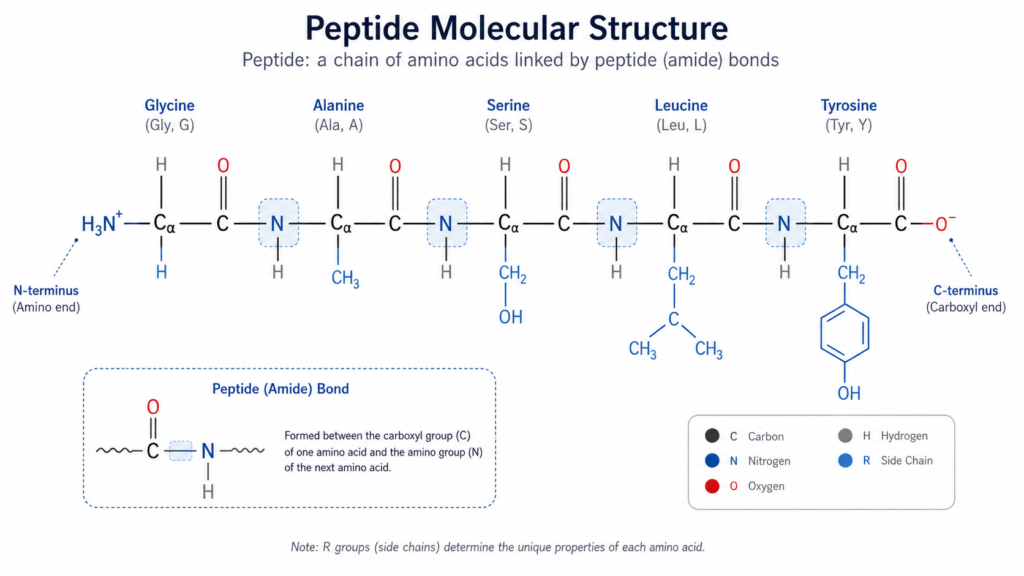
What do copper peptides do for your skin? In research models, copper peptides — primarily GHK-Cu, a tripeptide bound to a copper ion — have been documented to upregulate collagen synthesis, modulate fibroblast activity, accelerate wound-healing markers, and influence gene expression patterns across thousands of skin-biology-related genes. This guide from the chemistry team at OPS Peptide Science walks through what the published research literature actually documents about copper peptides and skin, the mechanisms involved, and how research-grade copper peptides differ from cosmetic-grade formulations.

For practical research workflow context, our companion guides on how to reconstitute peptides and peptide stability and storage cover the laboratory protocols underlying any copper peptide research.

What Are Copper Peptides?

Copper peptides are short amino acid chains that bind a copper ion at a specific coordination site. The most studied copper peptide is GHK-Cu — glycyl-L-histidyl-L-lysine bound to copper (Cu²⁺). The compound occurs naturally in human plasma at concentrations that decline progressively with age, a feature that has driven significant research interest in supplementing exogenous GHK-Cu for skin biology endpoints.

Other copper peptides studied in research include:

  • AHK-Cu — alanyl-histidyl-lysine copper, a closely related copper tripeptide
  • GHK-Cu derivatives — variants with modified amino acid sequences studied for stability or specificity
  • Custom copper-binding peptide research — emerging area in dermal biology research

The copper coordination is structurally important — uncomplexed GHK has measurably different activity than GHK-Cu in research models. The copper ion is what enables many of the documented downstream effects on skin biology pathways.

what do copper peptides do for your skin

What Do Copper Peptides Do for Your Skin? Direct Answer

Research literature documents copper peptides — particularly GHK-Cu — producing measurable effects across five major skin biology pathways:

  • Collagen synthesis upregulation — fibroblast cultures exposed to GHK-Cu produce measurably more Type I collagen than control conditions
  • Fibroblast activity modulation — increased fibroblast proliferation and migration in research models
  • Wound healing acceleration — documented in dermal injury models across multiple species
  • Gene expression changes — published research has measured modulation of over 4,000 genes related to repair, regeneration, and aging biology
  • Antioxidant effects — copper-related enzyme systems are involved in cellular oxidative stress response

These are research-documented endpoints, not therapeutic claims. The research peptides for skin in this category are studied in laboratory and animal models — they are not FDA-approved as skin treatments in the United States. The published GHK-Cu skin biology literature on PubMed is the authoritative source for the underlying studies.

How GHK-Cu Affects Collagen Synthesis in Research

The most extensively documented effect of copper peptides for skin is on collagen synthesis. Research findings:

  • Type I collagen production — fibroblast cultures show measurable increases in Type I collagen synthesis when exposed to GHK-Cu at research-grade concentrations
  • Glycosaminoglycan synthesis — hyaluronic acid and related GAGs are upregulated alongside collagen
  • Decorin and other ECM proteins — extracellular matrix protein production increases across the connective tissue protein family
  • Metalloproteinase modulation — research has documented changes in collagen-degrading enzyme expression, suggesting a net pro-synthesis effect

This is why GHK-Cu is one of the most-studied research peptides for skin care and dermal research — the collagen synthesis effect is well-characterized and reproducible across multiple research models.

Copper Peptides and Wound Healing Research

Beyond collagen, copper peptides have been studied extensively in wound-healing research models:

  • Angiogenesis — new blood vessel formation in injury sites accelerates in GHK-Cu-treated research models
  • Inflammatory marker reduction — pro-inflammatory cytokine levels decrease in research-grade copper peptide exposure
  • Granulation tissue formation — improved granulation tissue quality in dermal wound research
  • Re-epithelialization — measurably faster epithelial recovery in animal models

The wound-healing research provides much of the foundation for understanding what copper peptides do for skin at the cellular level — the same pathways involved in repair are involved in continuous skin maintenance.

Copper Peptides and Antioxidant Effects

Copper is a cofactor for several antioxidant enzymes in cellular biology — most notably superoxide dismutase (SOD). Research on GHK-Cu has documented:

  • Reactive oxygen species reduction — measurable decreases in cellular ROS in copper peptide research models
  • SOD activity modulation — increased antioxidant enzyme activity
  • Lipid peroxidation reduction — markers of oxidative damage decrease
  • Glutathione system effects — interaction with cellular glutathione-dependent antioxidant pathways

Because skin tissue experiences continuous oxidative stress from UV exposure, environmental factors, and metabolic activity, antioxidant pathways are central to dermal aging research. Copper peptides act on these pathways in addition to their direct collagen and fibroblast effects.

what do copper peptides do for your skin

What Can I Use With Copper Peptides in Research?

The question of what can be combined with copper peptides comes up frequently in research design. Compounds commonly studied alongside copper peptides:

  • Hyaluronic acid — studied alongside GHK-Cu in dermal hydration research
  • Vitamin C (L-ascorbic acid) — synergistic in collagen synthesis research, though pH considerations apply
  • Glutathione — antioxidant research alongside copper peptide ROS effects
  • Other copper peptides like AHK-Cu — comparative or combinatorial dermal biology research
  • BPC-157 and TB-500 — broader healing peptide research stacks (see the GLOW Stack research formulation)

Important compatibility note for research design: copper peptides should generally not be combined with strong reducing agents (which can strip the copper from the peptide complex) or with chelating agents (which can sequester the copper). Research on copper peptide combinations with vitamin C in topical formulations has documented pH-dependent interactions that require careful protocol design.

Research-Grade vs. Cosmetic-Grade Copper Peptides

Copper peptides exist in two distinct regulatory categories in the United States:

  • Cosmetic-grade GHK-Cu — permitted as a cosmetic ingredient in skin care products at specific concentrations. Sold as a finished cosmetic, not as a research compound.
  • Research-grade GHK-Cu — sold under research-use-only labeling for in-vitro and animal research. Typically higher purity (99%+) and supplied in vials for laboratory reconstitution, with per-lot Certificates of Analysis verifying purity through HPLC-MS analysis.

The two are not interchangeable. Cosmetic formulations are designed for topical use at controlled concentrations within a finished product matrix. Research-grade compounds are reagents for laboratory studies, sold under research-use-only labeling and never for human consumption. According to research from NIH-affiliated dermal research programs, the bioavailability and stability profiles differ significantly between the two grades.

what do copper peptides do for your skin

FAQ

Are copper peptides the best peptides for skin research?

For collagen synthesis and wound-healing endpoints, copper peptides like GHK-Cu have the most published research literature. Other peptides for skin care research include melanocortin peptides (Melanotan 1 and 2) for pigmentation, and Snap-8 for facial muscle research. “Best” depends entirely on the specific skin biology endpoint being studied.

How long does it take for copper peptides to show effects in research?

In cell culture studies, fibroblast and collagen synthesis effects appear within days. In animal dermal research models, measurable skin biology changes typically appear over 4–12 weeks of consistent dosing protocols. Specific timelines depend on the endpoint and research design.

Can copper peptides be combined with retinol in research?

Research design considerations apply — retinol and copper peptides act on overlapping pathways (collagen biology, gene expression) but through different mechanisms. Combination research exists in the literature, though pH and stability interactions require careful formulation. Direct combinations in the same delivery system may have stability concerns; alternating or separated administration is the more common research approach.

What’s the difference between GHK and GHK-Cu?

GHK is the uncomplexed tripeptide (glycyl-L-histidyl-L-lysine). GHK-Cu is the same peptide bound to a copper ion. The copper coordination is functionally important — research has documented different activity profiles between GHK and GHK-Cu, with most of the skin-biology effects attributed to the copper-bound form.

Are research-grade copper peptides legal to buy?

Yes — research-grade copper peptides are legally sold in the US under research-use-only labeling for in-vitro and animal study. They are not sold or prescribed for human consumption. See our detailed guide on are peptides illegal for the full US legal framework.


Copper peptides — particularly GHK-Cu — represent one of the most extensively documented compound categories in skin biology research. The published literature spans collagen synthesis, fibroblast activity, wound healing, antioxidant pathways, and gene expression modulation. For researchers studying any of these endpoints, copper peptides remain one of the most-cited tools in the modern dermal-biology compound library.

For research-grade copper peptides backed by per-lot Certificates of Analysis and full HPLC-MS purity documentation, browse the OPS Peptide Science catalog, visit the OPS Peptide Science homepage for the full product overview, or verify a specific lot using its COA code.

Author: Shane Straight, Principal Chemist, OPS Peptide Science
Reviewed: May 2026

How Long Does It Take for Peptides to Work? Complete Research Timeline

how long does it take for peptides to work

Research Use Only Notice: Timeline information below describes peptide onset patterns observed in in-vitro and animal research literature. All compounds discussed are intended for research applications only. Nothing here constitutes medical advice or treatment expectations for human use.

How long does it take for peptides to work? The honest answer is that it depends heavily on the specific compound, the research model, the dose, and what outcome is being measured — onset times range from minutes for some short-acting peptides to weeks of cumulative effect for others. This guide from the chemistry team at OPS Peptide Science breaks down realistic onset timelines across the main peptide categories, what “working” actually means in research contexts, and how to track peptide kinetics in a research protocol.

If you’re earlier in the workflow, our guides on how to inject peptides and peptide stability and storage cover the protocols that come before any onset timeline matters.

How Long Does It Take for Peptides to Work? The Direct Answer

Peptide onset times in research models fall into three rough bands:

  • Acute (minutes to hours) — short-acting peptides that act rapidly on signaling pathways. Examples: growth hormone secretagogues like GHRP-2 and Ipamorelin produce measurable changes in growth hormone within 30–60 minutes of administration.
  • Sub-acute (days to weeks) — the most common range. Healing peptides, GLP-1 sequences, and most research compounds show measurable effects over 1–4 weeks of consistent administration.
  • Chronic (weeks to months) — peptides where the meaningful research outcome is structural change rather than acute signaling. Examples: collagen-related peptides, bone-remodeling sequences.

The question “how long for peptides to work” only has a meaningful answer once you specify which peptide and which outcome. A semaglutide research model measuring glucose response responds within hours; the same compound measured for cumulative weight change in a multi-week protocol shows curves over 4–12 weeks. Both are correct timelines for the same peptide.

how long does it take for peptides to work

Factors That Influence Peptide Onset Time

Five variables drive how long it takes for peptides to take effect in any given research scenario:

  1. Receptor system — peptides acting on fast-signaling pathways (growth hormone release, glucose regulation) show effects within hours. Peptides acting on slower structural pathways (tissue repair, collagen synthesis) require days to weeks.
  2. Half-life — short-half-life peptides need frequent dosing for cumulative effect. Long-half-life peptides like semaglutide build steady-state plasma levels over multiple half-lives (3–5 weeks for semaglutide’s ~7-day half-life).
  3. Dose — sub-threshold doses produce no measurable effect at any timeline. Adequate doses produce dose-dependent onset curves documented in the pharmacokinetic literature.
  4. Administration route — subcutaneous gives slow steady absorption; intramuscular gives faster peaks; intravenous gives immediate exposure. Route changes the onset curve significantly.
  5. Research model — onset in cell culture (minutes) differs from rodent models (hours-days) which differs from larger animal models (days-weeks). Each is a valid research context.

When do peptides start working in a given protocol depends on all five variables interacting. Published research literature documents the typical curves for each compound; the pharmacokinetic and pharmacodynamic data on PubMed is the authoritative source for any specific peptide.

Onset Time by Peptide Category

Typical research timelines for the most commonly studied peptide categories:

Healing and Repair Peptides (BPC-157, TB-500)

Tissue-repair research compounds typically show measurable changes in 2–4 weeks of consistent administration in animal models. Markers studied include collagen deposition, angiogenesis, and inflammatory marker reduction. Acute changes can appear within days for inflammation-related endpoints; structural healing endpoints require the longer window.

GLP-1 Peptides (Semaglutide, Tirzepatide, Liraglutide)

Acute glucose-regulation effects appear within hours of administration in research models. Cumulative metabolic effects — body composition changes, sustained glucose normalization — develop over 4–12 weeks of weekly (semaglutide, tirzepatide) or daily (liraglutide) dosing as plasma levels reach steady state.

Growth Hormone Secretagogues (CJC-1295, Ipamorelin, GHRP-2/6)

Acute growth hormone release peaks within 30–90 minutes of administration in research models. Cumulative downstream effects on IGF-1 levels build over 2–4 weeks of consistent dosing. Research protocols typically measure both the acute pulse and the chronic IGF-1 trajectory as separate endpoints.

Copper Peptides (GHK-Cu)

Topical research formulations show measurable changes in skin biomarkers over 4–12 weeks. Injectable research models studying systemic effects show shorter onset for inflammatory markers (days) and longer onset for structural markers (weeks).

Cognitive and Neuropeptides (Selank, Semax)

Acute behavioral effects in research models appear within hours. Sustained changes in research-measured cognition endpoints typically require 1–2 weeks of consistent administration.

Mitochondrial Peptides (MOTS-c, SS-31)

Cellular research shows changes in mitochondrial markers within days of exposure. Whole-organism research models studying metabolic endpoints show curves over 4–8 weeks of dosing.

How Long Do Peptides Take to Work? Days vs Weeks vs Months

A practical framing for research protocol design:

TimelineEndpoint TypeExample Peptides
HoursAcute receptor activation, plasma responseGHRP-2/6, Ipamorelin, semaglutide (acute glucose)
1–7 daysInflammation markers, signaling cascadesBPC-157 (inflammation), Selank/Semax (behavior)
2–4 weeksTissue-level changes, IGF-1 trajectoriesCJC-1295, TB-500, BPC-157 (structural)
4–12 weeksCumulative metabolic, body compositionSemaglutide, tirzepatide (full effect)
3+ monthsStructural remodeling, longevity markersMOTS-c, SS-31, collagen-related

Research protocols should match the measurement timeline to the expected effect window. A 2-week study measuring weight change in a GLP-1 research model will miss most of the relevant curve; a 12-week study measuring acute glucose response captures too much noise around the actual signal.

how long does it take for peptides to work

What “Working” Actually Means in Research

The phrase “peptides working” carries different meanings across research contexts:

  • Pharmacological effect — the peptide binds its target receptor and produces a measurable signal. Confirmed by receptor-binding assays or downstream marker changes.
  • Physiological response — the receptor activation produces a system-level change (hormone release, metabolite shift, behavioral response).
  • Sustained effect — repeated administration maintains the response over the dosing protocol without significant tolerance or attenuation.
  • Endpoint achievement — the cumulative effect reaches the predefined research outcome (target weight reduction, target marker level, target structural change).

Each of these has a different timeline. A peptide can demonstrate pharmacological effect within minutes but require months to achieve endpoint outcomes. Discussions about “how long until peptides work” that don’t specify which level of effect is being asked about will give misleading answers.

How Long Do Peptides Stay in Your System?

The companion question to onset is duration. How long peptides stay in research subjects depends on the half-life and the dose:

  • Short-half-life peptides (minutes to hours) — most growth hormone secretagogues, native unmodified peptides. Cleared within hours of administration.
  • Medium-half-life peptides (hours to days) — BPC-157 (~4–6 hours per dose), TB-500 (longer due to tissue distribution), most native peptide hormones.
  • Long-half-life peptides (days to weeks) — semaglutide (~7 days), tirzepatide (~5 days), modified GLP-1 analogs engineered for sustained release.

Half-life matters for research protocol design because the dosing interval determines whether plasma levels stay above the therapeutic threshold. A peptide with a 4-hour half-life dosed once weekly will spend most of the week below the active concentration. A peptide with a 7-day half-life dosed weekly maintains relatively steady plasma levels.

How to Track Peptide Onset in Research Protocols

Standard research practices for documenting peptide onset:

  • Baseline measurement before first dose — establishes the pre-peptide reference for the primary endpoint
  • Defined measurement intervals — daily, weekly, or per-dose depending on expected onset window
  • Standardized endpoints — biomarker panels, weight, behavioral scores, or whatever the primary outcome is
  • Documentation per dose — date, time, dose, site, lot number, and any observed responses, as we cover in our injection protocol guide
  • Statistical analysis at predefined timepoints — comparing endpoint values at baseline vs. each measurement point

Consistency in measurement methodology matters more than absolute timing. Research that measures the same endpoint at the same intervals across all subjects produces cleaner onset curves than research that varies methodology between subjects.

how long does it take for peptides to work

FAQ

How long do peptides take to work for muscle growth?

In growth hormone secretagogue research models, acute GH release peaks within 30–90 minutes. Downstream IGF-1 elevation builds over 2–4 weeks of consistent dosing. Muscle-level changes in animal models appear over 6–12 weeks. Specific timelines depend on the compound and the research design.

How long does it take for BPC-157 to work?

BPC-157 research in animal models shows acute anti-inflammatory effects within days and cumulative tissue-repair effects over 2–4 weeks of daily dosing. Acute injury models often measure outcomes at 7, 14, and 28 days post-injury to capture the full curve.

When do peptides start working after first dose?

Receptor-level activation happens within minutes to hours of the first dose for nearly all peptides. Whether that translates into measurable research endpoints in the first dose varies — most research protocols see meaningful endpoint changes only after multiple doses, when plasma levels reach steady state.

How long do peptides stay in your system after stopping?

Short-half-life peptides clear within hours to a day of the last dose. Long-half-life peptides like semaglutide can remain at detectable levels for 4–5 half-lives — roughly 4–5 weeks for semaglutide. Tissue-bound peptides like TB-500 can show effects in research models for weeks after dosing ends.

Why don’t I see peptide effects after a week?

Most peptides don’t produce dramatic acute effects — they produce cumulative changes over multi-week dosing protocols. Expecting rapid results within days mismatches the actual pharmacokinetic timeline of most research peptides. Sub-threshold dosing, incorrect storage, or compromised compound quality can also produce apparent non-response.


Peptide onset times in research are highly variable but predictable when you specify the compound, the endpoint, and the model. Match measurement timing to expected effect window, document everything per dose, and let the data tell the story. The “how long” question has no single answer — but it does have a specific answer for every specific protocol.

For research-grade peptides backed by per-lot Certificates of Analysis and full HPLC-MS purity documentation, browse the OPS Peptide Science catalog, visit the OPS Peptide Science homepage for the full overview, or verify a specific lot using its COA code.

Author: Shane Straight, Principal Chemist, OPS Peptide Science
Reviewed: May 2026

Are SARMs Peptides? Complete Comparison Guide for Researchers

are sarms peptides

Research Use Only Notice: This article provides general educational information about SARMs and peptides as research compound categories. All compounds discussed are intended for in-vitro and animal research applications only. Nothing in this article constitutes medical advice or guidance for human use.

Are SARMs peptides? No — they are entirely different classes of research compounds with different chemical structures, different mechanisms of action, and different regulatory profiles. The confusion is understandable because both classes appear in similar research and biohacking contexts, and both are sold under research-use-only frameworks. This guide from the chemistry team at OPS Peptide Science walks through exactly what separates SARMs from peptides at the molecular level, why they’re often discussed together, and where the comparison breaks down.

If you’re navigating the broader landscape of research compounds, our companion guides on are peptides illegal and how to reconstitute peptides cover the legal framework and laboratory protocols for peptide-class compounds.

Are SARMs Peptides? The Direct Answer

SARMs and peptides belong to completely different chemical families:

  • SARMs (Selective Androgen Receptor Modulators) are small-molecule synthetic compounds — typically aryl-propionamide or quinolinone-based structures designed to bind selectively to androgen receptors.
  • Peptides are chains of amino acids — biological molecules built from the same building blocks as proteins, just shorter (typically 2–50 amino acids).

The structural difference is roughly equivalent to the difference between aspirin and insulin. One is a small synthetic molecule designed in a lab to fit a specific receptor; the other is a biological polymer assembled from natural amino acid sequences. They are not interchangeable categories.

When you see “sarms and peptides” mentioned together, it’s typically because both are research compounds discussed in performance, longevity, and biohacking contexts — not because they share chemistry. The question “are peptides sarms” gets asked frequently for the same reason, and the answer is the same: no, the two are entirely separate classes.

are sarms peptides

What Are SARMs?

SARMs are small-molecule synthetic drugs — meaning they’re built by traditional pharmaceutical chemistry rather than synthesized from amino acids. The name itself describes the mechanism: Selective Androgen Receptor Modulators. Each SARM is designed to selectively activate androgen receptors in target tissues (typically muscle and bone) while having minimal activity in other tissues where androgen activation would cause unwanted effects.

Notable research SARMs include:

  • Ostarine (MK-2866) — the most studied SARM in clinical trials
  • Ligandrol (LGD-4033) — non-steroidal androgen receptor agonist
  • Andarine (S-4) — early-generation SARM with documented research use
  • RAD-140 (Testolone) — high-affinity androgen receptor binder
  • YK-11 — myostatin-related research compound often grouped with SARMs
  • S-23 — selective receptor modulator in research models

None of these SARMs are FDA-approved for human use. They exist in the research-chemical category, sold to laboratories with research-use-only labeling — the same regulatory framework that applies to research peptides, but applied to a completely different chemical class.

What Are Peptides?

Peptides are short chains of amino acids — the same amino acids that make up proteins, just in shorter sequences. By definition, peptides have fewer than 50 amino acids; longer chains are classified as proteins.

Peptides occur naturally throughout biological systems. Insulin is a peptide hormone. Glucagon is a peptide. Many neurotransmitters and signaling molecules are peptides. The peptides commonly studied in research and longevity contexts are synthetic analogs of naturally occurring sequences — engineered to be more stable, more selective, or longer-acting than the natural forms.

Notable research peptides include:

  • BPC-157 — a 15-amino-acid synthetic sequence derived from gastric protein
  • TB-500 — a fragment of thymosin beta-4
  • GHK-Cu — a copper-binding tripeptide
  • Semaglutide and Tirzepatide — GLP-1 receptor agonists used in approved diabetes and obesity drugs
  • CJC-1295, Ipamorelin, GHRP-2/6 — growth hormone secretagogues
  • Selank, Semax — neuropeptides studied for cognitive applications

Some peptides have completed FDA approval (semaglutide as Ozempic, tirzepatide as Mounjaro). Most research peptides have not — they remain available only through the research-chemical pathway.

SARMs vs Peptides: Structural Differences

The fundamental difference between SARMs and peptides is structural — and it determines almost every downstream property:

PropertySARMsPeptides
Chemical classSmall-molecule syntheticAmino acid chain
Molecular weight~300–500 Da~500–6,000 Da
Oral bioavailabilityYes (typical)No (typically destroyed by digestion)
Administration route in researchOral solution or capsuleSubcutaneous or intramuscular injection
StorageStable at room temperatureRefrigeration recommended; injection-form requires cold storage
Half-lifeHours to ~24 hoursMinutes to weeks (highly variable)

The “small molecule” status of SARMs is why they survive digestion. Stomach acid and digestive enzymes evolved to break down protein and peptide chains — large biological molecules — but they don’t efficiently degrade the synthetic aryl-propionamide structures that define SARMs. This is why SARMs are typically oral and peptides typically aren’t.

are sarms peptides

SARMs vs Peptides: Mechanism of Action

The mechanistic difference between the two classes is just as fundamental as the structural one:

SARMs act on a single receptor family — the androgen receptor. Their entire mechanism is selective binding to and modulation of androgen-receptor signaling. The “selectivity” in the SARM acronym refers to tissue selectivity: activating receptors in muscle and bone preferentially over other androgen-responsive tissues.

Peptides act through dozens of different receptor families. Each peptide is designed to mimic a specific natural signaling molecule. BPC-157 has effects mediated through multiple growth factor and inflammation pathways. GHK-Cu acts on copper-dependent enzymatic systems. GLP-1 analogs like semaglutide activate the GLP-1 receptor in pancreatic and brain tissues. There is no single “peptide receptor” — peptides are as biologically diverse as the natural signaling systems they’re modeled on.

This is why grouping all peptides together for any purpose other than chemical classification can be misleading. “Peptides for healing” (BPC-157, TB-500) work through completely different pathways than “peptides for metabolic regulation” (semaglutide, tirzepatide) or “peptides for cognitive research” (Selank, Semax). They share the amino-acid-chain structure and nothing else.

Comparative literature on the mechanistic distinctions between SARMs and peptides is documented on PubMed across hundreds of studies in both classes.

SARMs and Peptides: Regulatory Status

From a US regulatory standpoint, SARMs and peptides occupy similar — but not identical — positions:

  • SARMs — no FDA approval for any indication. Sold as research chemicals with research-use-only labeling. Several SARMs have been the focus of FDA enforcement actions for being marketed as supplements.
  • Peptides — some are FDA-approved (semaglutide, tirzepatide, octreotide, etc.); most are not. Non-approved peptides sold as research chemicals follow the same research-use-only framework as SARMs.

In athletic competition, both classes appear on the WADA Prohibited List. SARMs are listed under category S1 (anabolic agents); peptides are listed across multiple categories including S2 (peptide hormones, growth factors, related substances) and the BPC-157 addition in 2023 as S0 (non-approved substance).

For researchers and laboratories, both SARMs and peptides are legally purchasable in the US under research-chemical exemptions, with the same compliance requirements: research-use-only labeling, no human-use marketing claims, proper documentation, and chain-of-custody verification.

When Research Use Cases Overlap

SARMs and peptides occasionally appear in overlapping research contexts — which is part of why the question “sarms or peptides” gets asked at all. Areas where research interest overlaps:

  • Muscle research — SARMs target androgen receptors in muscle; growth hormone secretagogue peptides (CJC-1295, Ipamorelin) target the somatotropic axis
  • Healing and recovery — peptides like BPC-157 and TB-500 dominate this space; SARMs have minor secondary research interest in bone density
  • Performance research — both classes appear in athletic performance research literature
  • Longevity research — peptides (MOTS-c, SS-31, others) dominate; SARMs have peripheral interest

The overlap is in research interest, not in chemistry. A researcher studying muscle biology might compare SARM and peptide pathways, but they’re studying two distinct receptor systems with different mechanisms — not variants of the same compound class.

are sarms peptides

FAQ

Are SARMs and peptides the same?

No. SARMs are small-molecule synthetic compounds that bind androgen receptors. Peptides are chains of amino acids that act on a wide variety of receptor systems. They are entirely different chemical classes with different structures, mechanisms, and properties.

Can you stack SARMs and peptides?

In research contexts, the two classes are sometimes studied in parallel or combination — but doing so requires careful protocol design because the mechanisms are unrelated. Combining research compounds is not advice for human use; it’s a study design question that depends entirely on the research question being asked.

Are SARMs safer than peptides?

The safety profiles of SARMs and peptides cannot be compared as classes because they act on entirely different systems. Specific compounds within each class have their own safety profiles documented in research literature. Neither class as a whole is “safer” — the question only makes sense compound-by-compound.

Why are SARMs often discussed alongside peptides?

Both classes are research compounds with similar regulatory status (research-use-only labeling, no FDA approval for most compounds, banned in WADA-governed sport). They appear in similar online communities and supplier catalogs, which leads to them being grouped together despite being chemically unrelated.

Are SARMs cheaper than peptides?

Generally yes, on a per-cycle basis. SARMs are typically dosed orally in milligram quantities at low cost per dose. Research peptides require injection equipment, bacteriostatic water, and are dosed in microgram-to-milligram quantities with higher unit costs. Specific compound pricing varies significantly within each class.


The TL;DR: SARMs are not peptides. They share regulatory status (research-use-only) and research-community visibility, but at the chemical level they are entirely different. Understanding that distinction is the first step in evaluating either class of compound for any specific research application.

For research-grade peptides backed by per-lot Certificates of Analysis and full HPLC-MS purity documentation, browse the OPS Peptide Science catalog, visit the OPS Peptide Science homepage for the full overview, or verify a specific lot using its COA code.

Author: Shane Straight, Principal Chemist, OPS Peptide Science
Reviewed: May 2026

What Size Syringe for Peptides? Complete Guide to Needles and Gauges

what size syringe for peptides

Research Use Only Notice: Equipment guidance below applies to research-grade peptides handled in laboratory settings. All compounds discussed are intended for in-vitro and animal research applications only.

What size syringe for peptides is the right one? For nearly all research peptide work, the answer is a 1mL or 0.5mL insulin syringe with a 27- to 31-gauge needle, ½-inch length. But “nearly all” hides important nuance — the right syringe depends on the dose volume, the injection route, and how often the protocol calls for administration. This guide explains exactly which syringe sizes work for which research scenarios, how to read the unit markings, and where to source research-quality equipment.

If you haven’t yet reconstituted your compound or you’re still working out injection technique, our guides on how to reconstitute peptides and how to inject peptides cover the upstream protocol steps.

The Short Answer: Standard Syringe Sizes for Peptide Research

Two syringe sizes dominate research peptide work. Both are insulin syringes — purpose-designed for small-volume subcutaneous injections with fine-gauge needles:

  • 1mL (U-100) insulin syringe — 100 unit markings across the barrel. The default workhorse for most research protocols.
  • 0.5mL (U-50) insulin syringe — 50 unit markings across a shorter barrel. Easier to read precisely for small doses.

Both use the same gauge needles (typically 28–31G) and the same needle length (½ inch for subcutaneous). The difference is just barrel capacity and how easily you can measure small fractional doses.

For perspective on what’s not appropriate: standard 3mL or 5mL syringes used for IM injections in clinical settings are too large for peptide research. The 22- to 25-gauge needles they come with cause unnecessary tissue trauma, and the volume markings are too coarse to measure 0.05–0.25mL accurately.

what size syringe for peptides

What Size Needle for Peptides? Gauge Selection

Gauge refers to the diameter of the needle bore — higher gauge numbers mean thinner needles. For research peptide subcutaneous injections, the standard range is:

GaugeCommon UseTrade-Off
27GSlightly larger volumes; faster drawMarginally more sensation on insertion
28GStandard subcutaneous researchBalanced — easy draw, minimal trauma
29GStandard subcutaneous researchSlightly slower draw than 27/28G
30GSensitive sites; repeat-injection rotationSlower to draw thicker solutions
31GMaximum comfort; smallest tissue impactSlowest draw; can clog with viscous diluents

The most common needles for peptides used in research are 28- to 30-gauge — fine enough to minimize tissue impact, thick enough to draw bacteriostatic-water-based solutions without clogging.

Needle length matters too. For subcutaneous research administration, ½-inch (12.7mm) is standard. Shorter needles (5/16 inch) are sometimes used for very lean research animals; longer needles (5/8 inch or 1 inch) are reserved for intramuscular protocols that require reaching past the subcutaneous layer.

How to Choose Between 1mL and 0.5mL Insulin Syringes

The choice between a 1mL and 0.5mL barrel comes down to dose volume and reading precision:

Use a 1mL (U-100) syringe when:

  • Single doses are 30 units or higher (0.3mL+)
  • The reconstituted concentration is on the lower end (1–2 mg/mL) requiring larger volumes per dose
  • You’re running protocols that occasionally split into larger volumes

Use a 0.5mL (U-50) syringe when:

  • Single doses are under 25 units (0.25mL or less) — the most common research scenario
  • You need to measure to single-unit precision (each marking is one unit, spaced further apart than on a 1mL barrel)
  • Working with high-concentration solutions (5 mg/mL+) where doses are small

The best syringe for peptides in most research protocols is the 0.5mL U-50, simply because most reconstituted research peptides are dosed in volumes well below 0.5mL. The wider spacing between unit markings makes accurate dosing easier on the eye.

Reading the unit markings: on a U-100 syringe, 100 units = 1mL, so each unit = 0.01mL. On a U-50 syringe, 50 units = 0.5mL, so each unit also = 0.01mL — the difference is just barrel size, not unit scale. The peptide administration syringe community uses these unit markings universally, which is why dosing calculators reference units rather than mL.

what size syringe for peptides

How to Administer Peptides Once You Have the Right Syringe

Once you’ve selected the appropriate syringe, the administration protocol is the same regardless of barrel size. The full step-by-step is covered in our dedicated how to inject peptides guide, but the basics:

  1. Sanitize the vial septum and injection site with alcohol prep pads
  2. Draw the calculated unit volume into the syringe
  3. Remove air bubbles by tapping the barrel with needle up
  4. Pinch the subcutaneous fold at the injection site
  5. Insert needle at 45–90 degrees in one smooth motion
  6. Inject slowly (~1 second per 0.1mL)
  7. Withdraw, apply gentle pressure, dispose of needle in sharps container

The syringe selection affects two things in this workflow: how comfortable the draw is from the vial (smaller gauge = slower draw) and how precisely you can measure the dose (smaller barrel = better unit-level resolution).

How Often Do You Inject Peptides in Research Protocols?

Injection frequency varies by the specific compound and the research design. General patterns observed in the peptide research literature:

  • Daily injections — most growth-hormone-related compounds, GLP-1 sequences in acute studies, healing peptides like BPC-157 and TB-500 in research
  • Twice-daily injections — some short-half-life peptides where stable plasma levels matter
  • Weekly injections — long-acting GLP-1 sequences like semaglutide and tirzepatide formulated for extended half-life
  • Cycle-based protocols — common in research designs that include wash-out periods

For protocols with daily injections over weeks, syringe rotation isn’t just about needle gauge — it’s also about site rotation across the four abdominal quadrants and secondary sites (thighs, arms) to prevent lipohypertrophy. Documenting injection sites in a research log is standard practice.

Volume considerations across this frequency range are documented in the peptide pharmacokinetics literature on PubMed.

Where to Get Research-Quality Syringes

Syringes for peptides used in research are sourced from the same medical-supply channels that provide diabetic insulin syringes. Common research-grade options:

  • BD Ultra-Fine — 28–31G, 0.3mL/0.5mL/1mL barrel options; widely available
  • EasyTouch — economical option in 28–31G, 0.5mL/1mL barrels
  • ReliaMed — bulk research-supply staple, 29–31G
  • Becton Dickinson generic — pharmacy-standard insulin syringes

Bulk research orders (boxes of 100 or 500) drop the per-unit cost significantly compared to retail pharmacy pricing. For US-based researchers, syringes don’t require a prescription, though some states have limits on quantity per purchase.

The FDA’s sharps disposal guidelines apply to research syringes the same way they apply to medical syringes — used needles go in a hard-sided sharps container, not standard trash.

Common Syringe Selection Mistakes

  1. Using IM syringes (3mL+) for subcutaneous research — too large to measure small doses accurately, and the 22–25G needles cause unnecessary tissue trauma
  2. Reusing needles between vials — dulls the needle, contaminates the source vial, and damages tissue at the injection site
  3. Choosing needles too thin for the diluent viscosity — 31G needles can clog with thicker solutions, slowing the workflow
  4. Mixing U-40 syringes with U-100 vials — some veterinary insulin syringes use U-40 scale, which doesn’t match the U-100 reconstitution math; always confirm scale before drawing
  5. Skipping the sharps container — single biggest workplace safety issue in research labs handling sharps
what size syringe for peptides

FAQ

What’s the difference between a U-100 and U-50 syringe?

The U-100 is a 1mL barrel with 100 unit markings; the U-50 is a 0.5mL barrel with 50 unit markings. Each unit equals 0.01mL on both. The U-50 has wider spacing between markings, making small doses easier to read precisely. The U-100 holds twice the volume per draw.

Can I use diabetic insulin syringes for peptide research?

Yes — diabetic insulin syringes are the standard equipment for subcutaneous peptide research. The 27–31G needles and 0.3–1mL barrel sizes are identical to research-grade syringes from medical supply distributors.

What gauge needle hurts the least?

Higher gauge numbers mean thinner needles, which cause less sensation on insertion. A 31G needle is among the finest commonly available for insulin syringes. The trade-off: 31G needles draw thicker solutions more slowly and can occasionally clog with viscous diluents.

How many units is 0.25mL?

On a U-100 insulin syringe, 0.25mL = 25 units. On a U-50 insulin syringe, 0.25mL is the halfway mark = 25 units. The unit scale is identical between barrel sizes — only the barrel volume differs.

Do peptide syringes expire?

Sealed sterile insulin syringes have manufacturer expiration dates printed on the packaging — typically 3–5 years from manufacture. Expired syringes lose sterility guarantees and may have compromised plunger seals. Stock rotation following the printed dates is the standard practice.


Syringe selection is one of the small decisions in peptide research that compounds across an entire study. The right size — 0.5mL or 1mL barrel, 28–30 gauge, ½-inch length — eliminates measurement errors, reduces tissue trauma, and keeps the protocol smooth across hundreds of injections. Standardizing on one syringe type across your lab is a small workflow win worth making.

For research-grade peptides with per-lot Certificates of Analysis and full HPLC-MS purity documentation, browse the OPS Peptide Science catalog or verify a specific lot using its COA code.

Author: Shane Straight, Principal Chemist, OPS Peptide Science
Reviewed: Feb 2026

Do Peptides Need to Be Refrigerated? Storage Requirements Explained

do peptides need to be refrigerated

Research Use Only Notice: Storage guidance below applies to research-grade peptides handled in laboratory settings. All compounds discussed are intended for in-vitro and animal research applications only.

Do peptides need to be refrigerated? For long-term stability, almost always yes — but the answer depends on the form of the peptide, how long you need it to last, and what kind of research workflow you’re running. Lyophilized powder is far more forgiving than reconstituted solution, and there’s a meaningful difference between “must refrigerate” and “should refrigerate for best results.” This guide explains exactly when peptide refrigeration is required, how long peptides last in the fridge, and how long they can safely sit out before degradation becomes a concern.

This post pairs with our broader stability overview on how long peptides last at room temperature and assumes you’ve already followed the protocol in how to reconstitute peptides for solutions you’re storing.

Do Peptides Need to Be Refrigerated? Direct Answer

The short answer breaks down by state of the compound:

  • Reconstituted peptide solutionsyes, refrigeration is required. Once water enters the vial, degradation begins, and refrigeration is the only way to extend stability beyond 24 hours.
  • Lyophilized peptide powderstrongly recommended but not strictly required short-term. Dry powder tolerates 2–4 weeks at room temperature for most sequences without measurable degradation.
  • Long-term storage (months to years)refrigeration or freezing is required. Even lyophilized powder degrades over time at room temperature; the standard for stockpiling research compounds is -20°C freezer storage.

The practical implication: if you’ve reconstituted a vial, it goes in the fridge immediately. If you’re stocking up on lyophilized powder you don’t plan to use for months, freezer storage is the protocol. For powder you’ll use within a week or two, room temperature is acceptable — though refrigerating it costs nothing and extends stability.

do peptides need to be refrigerated

Why Refrigeration Matters for Peptide Stability

Peptides degrade through a small set of chemical reactions, all of which accelerate with temperature:

  • Hydrolysis — water molecules cleave peptide bonds, breaking the sequence. The dominant degradation pathway for solutions.
  • Oxidation — exposure to oxygen damages amino acid residues like methionine, cysteine, and tryptophan.
  • Aggregation — peptide molecules clump together, forming insoluble particles that lose biological activity.
  • Deamidation — asparagine and glutamine residues spontaneously convert under thermal stress, altering the sequence.
  • Microbial growth — bacteria and fungi colonize aqueous solutions without preservatives, producing enzymes that further degrade the peptide.

The Arrhenius equation, well-established in pharmaceutical stability science, predicts that reaction rates roughly double every 10°C of temperature increase. A peptide that’s stable for 28 days at 4°C may be stable for only 14 days at 14°C and just 7 days at 24°C. This is why cold chain peptide storage matters — the difference between fridge and counter isn’t trivial.

The peptide stability literature documented on PubMed confirms these patterns across hundreds of specific sequences studied under accelerated stability conditions.

How Long Do Peptides Last in the Fridge?

Fridge stability depends on whether the peptide is reconstituted or still in dry form:

Peptide StateRefrigerated (2–8°C)Notes
Lyophilized powder (sealed)6–12 monthsAcceptable for routine use; freezer better for stockpile
Reconstituted with bacteriostatic water21–28 daysStandard window for active research
Reconstituted with sterile water (no preservative)24 hoursMust be used immediately
Reconstituted, aliquoted single-use vials (refrigerated)Same as parent solutionAliquots don’t extend the fridge window

The 21–28 day window for bacteriostatic-water solutions is the most important number for active research. After that window, microbial growth and chemical degradation begin to compromise both safety and accuracy. Many labs document the reconstitution date directly on the vial and discard at the 28-day mark even if the solution still looks clear — visual inspection alone isn’t sufficient.

do peptides need to be refrigerated

How Long Can Peptides Be Out of the Fridge?

How long peptides can be out of the fridge depends on the form and duration:

  • Lyophilized powder, less than 24 hours out of fridge: No concern. Powder is structurally stable at room temperature.
  • Lyophilized powder, 1–7 days out of fridge: Negligible degradation for most sequences. Return to refrigeration and proceed.
  • Lyophilized powder, 7–28 days out of fridge: Slow degradation begins. Most peptides remain usable but document the exposure.
  • Reconstituted solution, less than 4 hours out of fridge: Generally acceptable. Return to refrigeration.
  • Reconstituted solution, 4–24 hours out of fridge: Borderline. Microbial growth begins to accelerate. Evaluate visual cloudiness before use.
  • Reconstituted solution, more than 24 hours out of fridge: Discard. Risk to research data and potential safety concern.

For peptides left out of the fridge during shipping or transport, the same rules apply — but most research-peptide shipments are designed to tolerate 5–10 days of ambient transit for lyophilized vials. A shipment arriving with the powder still dry and intact is almost always usable.

When Refrigeration Isn’t Strictly Necessary

There are legitimate scenarios where refrigerating peptides isn’t critical:

  1. Short-term storage of unopened lyophilized vials — sealed powder used within 1–2 weeks is fine on the lab bench, provided ambient temperature stays below 25°C and humidity is normal.
  2. Transit and shipping — properly lyophilized peptides ship without refrigeration as standard industry practice.
  3. Field research with limited cold-chain access — research conducted in remote locations may rely on the powder form’s room-temperature tolerance for short windows.
  4. Day-of-use scenarios — a freshly reconstituted vial used within hours doesn’t require fridge time between draws if kept on the bench briefly.

For everything else — anything intended for use beyond a week or two — peptide refrigeration is the default protocol.

Best Refrigerator Storage Practices

If you’re refrigerating peptides, follow these practices to maximize stability:

  • Use the main compartment, not the door. The door shelf swings through temperature spikes every time the fridge opens. The back of the main compartment stays closest to the set point.
  • Maintain 2–8°C. Below 2°C risks freezing the solution unintentionally; above 8°C accelerates degradation.
  • Store vials upright. Keeps the stopper dry and reduces the risk of leakage from any micro-cracks.
  • Protect from light. A cardboard box or opaque container inside the fridge protects photosensitive sequences.
  • Avoid the freezer compartment of a frost-free fridge. Auto-defrost cycles introduce temperature fluctuations that can damage peptides. Use a dedicated freezer for frozen storage.
  • Label every vial with reconstitution date, concentration, and lot number. Without this you can’t track the stability clock.

For temperature monitoring, basic min-max thermometers or USB temperature loggers are inexpensive and provide an audit trail of cold-chain compliance — useful for any research that needs to document storage conditions, as referenced in NIST laboratory temperature monitoring guidance.

Signs Your Refrigerated Peptide Has Gone Bad

Refrigeration extends stability but doesn’t make it indefinite. Watch for:

  1. Cloudiness or turbidity in what should be a clear solution — indicates aggregation or microbial growth.
  2. Color change — yellow or amber tint in a previously clear solution signals oxidation.
  3. Floating particles or sediment — discrete precipitate at the bottom or floating in the solution.
  4. Off smell on opening — most peptide solutions are odorless; any unusual smell indicates contamination.
  5. Crystallization — if the solution accidentally froze and thawed, peptide aggregates may have formed irreversibly.
  6. Past the 28-day reconstitution date — discard even if appearance looks fine. Chemical degradation isn’t always visible.

For research that requires confirmed purity before each use, a fresh Certificate of Analysis verification on a new lot is the cleanest way to reset.

do peptides need to be refrigerated

FAQ

Should I refrigerate peptides as soon as they arrive?

Yes — even though lyophilized powder tolerates room temperature for weeks, refrigerating immediately on arrival starts the long-term clock. There’s no downside to refrigerating a sealed vial, and it extends your usable window.

What temperature should the fridge be set to?

The 2–8°C range is the standard for refrigerated peptide storage. Below 2°C risks accidental freezing of solutions; above 8°C accelerates degradation. A standard household refrigerator typically sits at 3–5°C, which is ideal.

Can I store peptides in the same fridge as food?

For research-grade compounds in sealed vials, the storage location doesn’t affect the peptide itself. However, dedicated research storage is preferred for traceability — a fridge with food traffic experiences more temperature swings and contamination risks. A dedicated dorm-sized fridge for research compounds is a common low-cost solution.

What if my peptide accidentally froze in the fridge?

Lyophilized powder is unaffected by freezing — that’s the freezer storage condition. Reconstituted solutions, however, can form aggregates when frozen unintentionally. Inspect the thawed solution carefully for cloudiness or particles; if any are present, discard.

Do I need a special research-grade fridge?

For most research-peptide storage, no — a standard household refrigerator at 2–8°C is sufficient. Laboratory-grade refrigerators with tighter temperature control and alarm systems are required only for GMP environments or studies with strict cold-chain documentation requirements.

do peptides need to be refrigerated

The TL;DR on peptide refrigeration: reconstituted solutions need it without exception; lyophilized powder benefits from it but tolerates some room-temperature exposure; long-term storage of any form should default to refrigeration or freezing. Following these basics protects both research data and the compounds themselves.

For research-grade peptides backed by documented stability data and per-lot Certificates of Analysis, browse the OPS Peptide Science catalog or verify a specific lot using its COA code.

Author: Shane Straight, Principal Chemist, OPS Peptide Science
Reviewed: May 2026
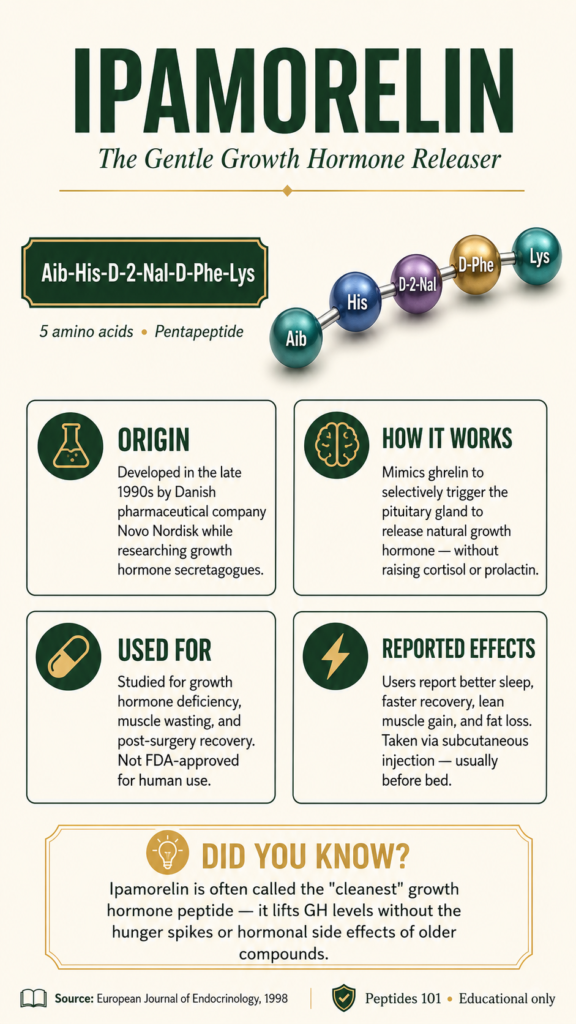
How Long Do Peptides Last at Room Temperature? Stability Guide

how long do peptides last at room temperature

Research Use Only Notice: The stability and storage information below describes conditions for research-grade peptides handled in laboratory and research settings. All compounds discussed are intended for in-vitro and animal research applications only.

How long do peptides last at room temperature? The answer depends entirely on whether the compound is still in lyophilized powder form or has been reconstituted with bacteriostatic water. Stability windows range from a few hours to several weeks depending on that distinction, the specific peptide sequence, and ambient conditions in the lab. This guide explains the realistic shelf life of research peptides in every storage state — and what determines whether your compound is still usable for accurate experimental data.

If you’ve just received a vial or are about to reconstitute one, our companion guides cover the upstream and downstream steps: how to reconstitute peptides for the mixing protocol, and how to inject peptides for administration once the solution is ready.

how long do peptides last at room temperature

The Short Answer: Two Scenarios — Powder vs. Reconstituted

Peptide stability falls into two distinct regimes depending on whether water has been added:

  • Lyophilized (dry powder) — extremely stable; tolerates short room-temperature exposure (days to weeks) without significant degradation
  • Reconstituted (in solution) — much more fragile; degrades within hours at room temperature, requires refrigeration

Most online confusion about peptide shelf life comes from conflating these two states. A dry vial that sat on a shipping dock for three days at 25°C is almost certainly fine. A reconstituted vial left on the bench overnight may have lost meaningful activity. The rules are completely different.

How Long Do Peptides Last in Powder Form?

Lyophilized peptide powder is the most stable form a research compound can be in. With water removed, the molecular structure is locked — the hydrolysis, aggregation, and oxidation reactions that degrade peptides in solution simply cannot occur without the water that drives them.

Realistic shelf-life ranges for lyophilized peptide powder:

Storage ConditionTypical Stability Window
-80°C (ultra-low freezer)3–5+ years
-20°C (standard lab freezer)18–24 months
2–8°C (refrigerated)6–12 months
Room temperature (18–25°C)2–4 weeks for most sequences
Elevated temperature (above 30°C)Hours to days — actively degrading

The 2–4 week room-temperature window for lyophilized powder is what allows international shipping of research peptides without dry ice. A vial in transit for 5–10 days at ambient temperature will arrive with no meaningful loss of activity, provided the peptide was correctly lyophilized at origin and the vial remains sealed.

What shortens the powder shelf life: exposure to light (some sequences are photosensitive), humidity (moisture seeping past a compromised stopper rehydrates the cake), and repeated temperature cycling (taking the vial in and out of the freezer multiple times).

How Long Do Peptides Last Once Reconstituted?

Once water enters the vial, the stability clock starts ticking much faster. The exact window depends on the diluent used:

  • Bacteriostatic water (0.9% benzyl alcohol): 21–28 days under refrigeration (2–8°C). The benzyl alcohol acts as a preservative, preventing microbial growth that would otherwise destroy the solution within days.
  • Sterile water (no preservative): 24 hours under refrigeration. Without a bacteriostatic agent, even refrigerated solutions become microbially compromised quickly.
  • Frozen reconstituted solution (-20°C): Several months if frozen in single-use aliquots. Freeze only once — each freeze-thaw cycle degrades the peptide.

The published peptide stability literature on PubMed documents these windows across hundreds of specific sequences. As a general rule, smaller peptides (under 10 amino acids) tend to be slightly more stable in solution than larger sequences (above 30 amino acids), but the storage practice is the same.

how long do peptides last at room temperature

How Long Do Peptides Last at Room Temperature?

Here’s the direct answer to how long do peptides last at room temperature, split by state:

  • Lyophilized powder at room temperature: 2–4 weeks with no meaningful degradation for most sequences. Acceptable for short-term storage and routine transit.
  • Reconstituted solution at room temperature: 24 hours maximum, and even that is conservative. Most research protocols treat any reconstituted vial left at room temperature for more than 4–6 hours as compromised.

What “room temperature” actually means matters here. Lab benchtops in climate-controlled rooms typically sit at 20–22°C. Storage cabinets in shipping warehouses or unheated rooms can spike to 30°C+ in summer. The higher the temperature, the faster degradation accelerates — every 10°C increase roughly doubles the rate of most degradation reactions, per the Arrhenius principle that the USP storage guidelines apply to pharmaceutical compounds.

How to Store Peptides for Maximum Stability

The optimal storage protocol depends on the peptide state and how often you’ll be accessing the vial. General guidance for how to store peptides used in active research:

For long-term storage of unopened lyophilized powder: Keep the sealed vial in a -20°C standard lab freezer. For compounds you don’t expect to use within a year, -80°C extends stability further. Avoid the door shelf of the freezer — temperature swings every time the door opens accelerate degradation.

For how to store dry peptides being actively used: A standard refrigerator (2–8°C) is acceptable for vials you’ll use within 6 months. This avoids the freeze-thaw cycling that occurs when you pull a vial from the freezer for each use.

For how to store reconstituted peptides: Refrigerate immediately after reconstitution (2–8°C) and use within 21–28 days. For research solutions that won’t be used quickly, aliquot the reconstituted volume into multiple smaller vials and freeze the extras at -20°C — single-use aliquots eliminate the freeze-thaw degradation problem.

Always label each vial with the reconstitution date, the concentration in mg/mL, and the lot number. Tracking stability across multiple experiments is impossible without this baseline data.

What Happens If You Leave Peptides Out of the Fridge?

If you find peptides left out of the fridge, the response depends entirely on the form and the duration:

  • Lyophilized powder, less than 7 days at room temperature: Almost certainly fine. Return to cold storage and proceed normally.
  • Lyophilized powder, 7–28 days at room temperature: Probably fine for most sequences. Some loss of activity possible for sensitive compounds. Visual inspection — the powder should look unchanged.
  • Lyophilized powder, more than 28 days at room temperature: Borderline. Document carefully and consider sourcing a fresh vial for studies requiring strict reproducibility.
  • Reconstituted solution, less than 4 hours at room temperature: Generally acceptable. Return to refrigeration and use on normal schedule.
  • Reconstituted solution, 4–24 hours at room temperature: Likely degraded. Decision depends on study tolerance.
  • Reconstituted solution, more than 24 hours at room temperature: Discard. Microbial contamination risk on top of peptide degradation.

Signs of Peptide Degradation

Visual inspection won’t catch every form of degradation — chemical changes are often invisible — but it will catch the obvious cases. Watch for:

  1. Cloudiness in a previously clear solution — indicates aggregation or microbial growth
  2. Color change — lyophilized powder darkening or solution turning yellow or amber suggests oxidation
  3. Particles or precipitate — visible floating matter in a once-clear solution
  4. Cake collapse or melting — lyophilized powder that has clearly absorbed moisture and turned into a sticky residue
  5. Off odor — most peptides are odorless; any unusual smell suggests bacterial contamination

Any of these warrants discarding the vial and documenting the lot number for follow-up. For research that requires strict purity confirmation, a fresh Certificate of Analysis verification on a new lot is the simplest path to reset the experiment.

how long do peptides last at room temperature

FAQ

How long do peptides last in the freezer?

Lyophilized peptide powder stored at -20°C remains stable for 18 to 24 months for most sequences. At -80°C, stability extends to 3 to 5 years or longer. Reconstituted solutions frozen at -20°C in single-use aliquots last several months but should only be frozen once.

Can peptides survive shipping at room temperature?

Yes, properly lyophilized peptides tolerate 5–10 days of room-temperature shipping with no meaningful degradation. This is the standard practice for research-peptide shipping worldwide. Sealed vials and proper lyophilization at origin are the key conditions.

Do peptides lose potency at room temperature?

Lyophilized powder loses minimal potency at room temperature within the first 2–4 weeks. Reconstituted solutions begin losing potency within hours at room temperature — measurable degradation typically appears at 4–6 hours and accelerates from there.

Why do peptides need cold storage if they’re stable as powder?

Cold storage extends the stability window dramatically. Even though lyophilized peptides are stable at room temperature for weeks, refrigeration and freezing extend that to months and years. For research compounds purchased in bulk, the cost of cold storage is trivial compared to discarding partially-used vials due to expired stability.

Can I refreeze a thawed reconstituted peptide?

No. Each freeze-thaw cycle degrades the molecule. The standard practice is to aliquot the reconstituted solution into single-use vials at the time of mixing, then thaw only the aliquot needed for each experiment. Once thawed, that aliquot should be used within the refrigerated stability window (21–28 days) and never refrozen.


Peptide stability is one of those topics where a little upfront knowledge eliminates a lot of wasted compound and confused experimental results. The short summary: keep lyophilized powder cold whenever possible but don’t panic about short room-temperature exposures, and treat reconstituted solutions as if they’re on a 28-day clock from the moment the bacteriostatic water enters the vial.

For research-grade peptides with documented stability data and per-lot Certificates of Analysis, browse the OPS Peptide Science catalog or verify a specific lot using its COA code.

Author: Shane Straight, Principal Chemist, OPS Peptide Science
Reviewed: May 2026
How to Inject Peptides: A Research Protocol Guide

How to Inject Peptides: Research Protocol Guide (2026)

Research Use Only Notice: This guide describes peptide administration protocols for in-vitro and animal research applications only. The information below is intended for licensed researchers and laboratory personnel. Nothing here constitutes medical advice or instructions for human self-administration.

After a peptide is reconstituted with bacteriostatic water, the next step in any research workflow is administration. Knowing how to inject peptides correctly determines whether your study delivers reproducible results or noisy, inconsistent data. This guide walks through the three administration routes used in peptide research, the supplies required, site selection, and the step-by-step technique our chemistry team at OPS Peptide Science documents for laboratory use.

If you haven’t reconstituted the compound yet, start with our step-by-step reconstitution protocol and come back when you have a clear solution in the vial.

How Do You Inject Peptides? The Three Routes Used in Research

Peptide research protocols use three primary administration routes, each suited to different compound properties and study designs.

Subcutaneous (SubQ or SC) — the most common route in peptide research. The compound is delivered into the fatty tissue just under the skin. Absorption is slower and steadier than intramuscular, which is ideal for peptides where stable plasma concentrations matter more than rapid onset. Most growth-hormone-related compounds, GLP-1 sequences, and healing peptides like BPC-157 and TB-500 use the SC route in research models.

Intramuscular (IM) — the compound is delivered directly into muscle tissue. Absorption is faster than subcutaneous but produces a sharper peak in plasma concentration. IM is used less frequently in peptide research because most peptides don’t require rapid onset and the higher peak can produce more variable downstream effects.

Intravenous (IV) — direct administration into the bloodstream. Used in specific research contexts where immediate bioavailability is required. IV is rarely the default route in non-clinical peptide studies and requires significantly more training and oversight than SC or IM.Comparative bioavailability data across injection routes is documented in the peptide pharmacokinetics literature on PubMed.

For nearly all routine research applications, subcutaneous is the default. This guide focuses on SC technique, with notes on IM where it differs.

Supplies You Need

A clean injection requires the same basic kit you’d use in any sterile laboratory procedure:

  • Insulin syringe — typically 1mL (100-unit) or 0.5mL (50-unit) with a 27- to 31-gauge, ½-inch needle. The fine gauge minimizes tissue trauma and is sufficient for the small volumes used in peptide research.
  • Reconstituted peptide vial — labeled with concentration and reconstitution date
  • Alcohol prep pads — for sanitizing the injection site and the vial septum
  • Cotton ball or gauze — for post-injection pressure
  • Nitrile gloves — to maintain sterile technique
  • Sharps container — for safe needle disposal

For IM administration, the syringe gauge stays similar (27–29 ga is common) but the needle length is longer (typically 1 inch) to reach muscle tissue past the subcutaneous layer.

How to Inject Peptides: Research Protocol Guide (2026)

Where to Inject Peptides: Site Selection

The question of where to inject peptides depends on the route and the research model.

Subcutaneous Injection Sites

For SC injection, the goal is fatty tissue with minimal vasculature and easy access. The four standard sites are:

  1. Abdomen — the most common SC site. Use the area 2 inches around the navel (avoid the navel itself). Wide surface area allows easy rotation across multiple injections.
  2. Anterior thigh — the front of the upper leg, between hip and knee. Good secondary site if the abdomen is being rotated heavily.
  3. Posterior upper arm — the back of the upper arm, in the fatty tissue above the triceps. Less commonly used because of accessibility.
  4. Upper outer buttock / flank — the area above the hip. Common in animal research models.

The subcutaneous fold technique is standard: pinch a section of skin and fatty tissue between thumb and forefinger to lift it away from underlying muscle. Inject into the lifted fold at a 45- to 90-degree angle depending on the amount of tissue available. Higher body-fat tissue typically allows 90-degree insertion; leaner tissue requires the 45-degree angle to stay subcutaneous.

Intramuscular Injection Sites

For IM, the deltoid (upper arm), vastus lateralis (outer thigh), and ventrogluteal (upper outer hip) are the standard sites in research literature. IM injection requires a 90-degree insertion through the subcutaneous layer into the muscle belly. This is significantly more technique-sensitive than SC and is not recommended for new researchers without supervised training.

How to Inject Peptides Step-by-Step

The procedure below describes the standard subcutaneous research protocol. Read it through once before drawing the dose so you don’t pause mid-procedure.

Step 1 — Verify the vial. Confirm the label matches your intended compound, check the reconstitution date is within the stability window (typically 21–28 days for refrigerated solutions), and inspect the liquid. It should be clear with no particles or cloudiness.

Step 2 — Sanitize the vial septum. Wipe the rubber stopper of the peptide vial with a fresh alcohol prep pad. Let it air-dry for 15 to 20 seconds.

Step 3 — Draw the dose. Insert the insulin syringe through the septum at a 90-degree angle. Pull the plunger to draw your calculated volume. Hold the vial upside-down briefly to ensure you draw liquid (not air) into the syringe.

Step 4 — Remove air bubbles. Hold the syringe vertically with the needle pointing up. Tap the barrel gently to move any air bubbles to the top, then push the plunger slightly to expel them. Confirm the volume in the syringe matches your intended dose.

Step 5 — Sanitize the injection site. Choose a fresh location (not the same spot as recent injections — see rotation below). Wipe the skin with an alcohol prep pad in a circular motion outward from the center. Let it air-dry for 10 to 15 seconds. Injecting through wet alcohol stings.

Step 6 — Lift the subcutaneous fold. Pinch the cleaned skin between thumb and forefinger to lift a fold of skin and fatty tissue away from the underlying muscle.

Step 7 — Insert the needle. Hold the syringe like a pen. Insert the needle at 45 or 90 degrees in one smooth, controlled motion. Do not jab. The fine gauge of an insulin needle goes in with minimal resistance.

Step 8 — Inject slowly. Push the plunger down in a steady, slow motion — typical pace is roughly 1 second per 0.1mL. Fast injection causes tissue stretching and post-injection discomfort.

Step 9 — Withdraw and apply pressure. Pull the needle out at the same angle you inserted it. Apply gentle pressure with a cotton ball or gauze for 5 to 10 seconds. Do not rub the site — rubbing can increase localized bruising.

Step 10 — Dispose and document. Place the used syringe in a sharps container immediately. Record the date, time, dose, site, and lot number in your research log. This data is critical for both safety tracking and study reproducibility.

How to Inject Peptides: Research Protocol Guide (2026)

Injection Site Rotation

Repeated injection into the same anatomical spot causes localized tissue irritation, fat hypertrophy (lipohypertrophy), and reduced absorption consistency over time. Site rotation is non-negotiable in any multi-dose research protocol.

A simple two-week rotation pattern across four abdominal quadrants works for most SC research:

WeekMonTueWedThuFriSatSun
1ULURLLLRULURLL
2LRULURLLLRULUR

(UL = upper left, UR = upper right, LL = lower left, LR = lower right — measured from the navel)

For studies running longer than two weeks, rotate to a secondary site (thigh, posterior arm) for a full week to give the abdomen time to recover. Document the site in your research log every time.

Common Injection Mistakes

The five issues that compromise SC research data most often:

  1. Injecting into muscle by accident — using too long a needle or pushing through the subcutaneous layer changes the absorption profile entirely
  2. Skipping the alcohol wipe — introduces skin flora into the injection site and into the vial septum on repeated draws
  3. Reusing needles — dulls the needle (causing tissue damage) and risks cross-contamination
  4. Injecting too quickly — causes tissue stretching, post-injection pain, and sometimes leakage of the compound back out of the site
  5. Failing to rotate sites — leads to lipohypertrophy and unreliable absorption data across the study
  6. Standard injection safety practices are also documented in the CDC’s injection safety guidelines, which inform laboratory administration protocols.

FAQ

What gauge needle should I use for peptide injection?

A 27- to 31-gauge, ½-inch insulin syringe (1mL or 0.5mL barrel) is standard for subcutaneous peptide research. For IM administration, the same gauge with a 1-inch needle is typical.

Does subcutaneous injection hurt?

With proper technique — fresh needle, clean site, slow injection — most subcutaneous injections cause only minor sensation. Pain usually indicates a dull needle, too-fast injection, or accidentally hitting a nerve ending. Choose a different site if a particular spot causes more than mild discomfort.

How to Inject Peptides: Research Protocol Guide (2026)

Can I inject peptides without aspirating?

For subcutaneous injection into established SC sites (abdomen, thigh), aspiration is not required by current research protocols — the fat layer has minimal vasculature. IM injection traditionally includes aspiration to confirm the needle isn’t in a blood vessel, though modern protocols increasingly skip this step for established IM sites.

What happens if I inject air into a subcutaneous site?

Small air bubbles in SC injection cause no harm — the fatty tissue absorbs them harmlessly. The reason to remove air bubbles is dosing accuracy: an air bubble in your syringe means you didn’t draw the full peptide volume. Always remove air for accurate dosing.

How often can I inject in the same site?

Avoid the same exact spot more than once every 7 to 10 days. Rotating across four abdominal quadrants daily and switching to a secondary site (thigh) every two weeks is the standard protocol.


Clean injection technique is what turns a reconstituted peptide into reliable, reproducible research data. The fifteen-minute investment in proper supplies and site rotation pays back across every dose of the study.

Beyond technique, every research protocol begins with sourcing — and that means understanding the regulatory framework. For an overview of FDA-approved peptides, the research-chemical exemption, and how compliant suppliers operate in the US, see our guide on peptide legality and US regulation.

For research-grade peptides with per-lot Certificates of Analysis and HPLC-MS purity documentation, browse the OPS Peptide Science catalog or verify a specific lot using its COA code.

Author: Shane Straight, Principal Chemist, OPS Peptide Science
Reviewed: May 2026
How to Reconstitute Peptides: Step-by-Step Research Guide

How to Reconstitute Peptides: Step-by-Step Research Guide

Research Use Only Notice: The information below describes laboratory reconstitution procedures for research-grade peptides. All compounds discussed are intended for in-vitro and animal research applications only. Nothing in this guide constitutes medical advice or instructions for human administration.

If you’ve just received a vial of lyophilized peptide and you’re staring at the powder wondering what’s next, you’re in the right place. Learning how to reconstitute peptides correctly is the single most important skill in any peptide research workflow — get it wrong and you compromise the entire experiment. This guide walks through the exact protocol our chemistry team at OPS Peptide Science uses to prepare research compounds for storage and laboratory study.

By the end, you’ll know exactly which diluent to choose, how much to add, how to handle the vial without denaturing the compound, and how long the reconstituted solution remains stable.

What Does It Mean to Reconstitute a Peptide?

Peptides shipped from a research supplier arrive in a lyophilized (freeze-dried) form. Freeze-drying removes water from the compound, leaving behind a stable, powdery cake at the bottom of the vial. This dramatically extends shelf life — a properly lyophilized peptide stored at -20°C can remain stable for 18 to 24 months.

Reconstitution is the process of adding a sterile diluent back into the vial to dissolve the powder into a usable liquid solution. Once reconstituted, the compound is ready for accurate volumetric measurement in research applications.

The diluent of choice is almost always bacteriostatic water (also called BAC water), which contains 0.9% benzyl alcohol — a preservative that prevents microbial growth in the solution. This is what allows the reconstituted peptide to be stored under refrigeration for up to 28 days. Plain sterile water can be used but offers no antimicrobial protection.

Researcher reconstituting a lyophilized peptide vial with bacteriostatic water using a sterile syringe

What You Need Before You Begin

A clean reconstitution requires a small but specific set of supplies. Before opening the vial, gather the following:

  • Bacteriostatic water — 10mL or 30mL vial, 0.9% benzyl alcohol formulation
  • Insulin syringes — typically 1mL (100-unit) or 0.5mL (50-unit), 27- to 31-gauge
  • Alcohol prep pads — for sanitizing the rubber stoppers of both vials
  • Clean, flat work surface — preferably a benchtop wiped with 70% isopropyl
  • Nitrile gloves — to avoid contaminating the vial septum
  • Sharps container — for safe needle disposal post-procedure

Quality of supplies matters. Low-grade bacteriostatic water with inconsistent benzyl alcohol concentration can shorten the stability window of your reconstituted solution. Sourcing both the peptide and the diluent from suppliers that publish a per-lot Certificate of Analysis is the simplest way to control that variable.

How to Reconstitute Peptides Step-by-Step

Here is the exact procedure. Read it through once before starting so you don’t have to pause mid-process.

Step 1 — Bring the vial to room temperature. If you stored the lyophilized peptide in a freezer or refrigerator, let it sit on the bench for 20 to 30 minutes. Cold glass causes condensation when you open it, and moisture is the enemy of dry peptide stability.

Step 2 — Sanitize the stoppers. Wipe the rubber septum of both the bacteriostatic water vial and the peptide vial with a fresh alcohol prep pad. Let them air-dry for 15 to 20 seconds. Do not touch the cleaned surface afterward.

Step 3 — Draw the diluent. Insert your insulin syringe into the bacteriostatic water vial at a 90-degree angle. Pull back the plunger and draw your calculated volume (we’ll cover the math in the next section).

Step 4 — Inject down the side of the peptide vial. This is the critical move that most beginners get wrong. Do not aim the stream of water directly at the lyophilized powder. The force of the liquid hitting the cake can shear the peptide molecules and degrade the compound. Instead, tilt the vial slightly and let the bacteriostatic water trickle down the glass wall, pooling at the bottom around the powder.

Step 5 — Let it dissolve passively. Set the vial down upright and wait 30 to 60 seconds. Most peptides dissolve on their own as the water saturates the cake. If powder remains, swirl gently — never shake. Vigorous shaking introduces air bubbles and can denature the molecule. Some researchers prefer to roll the vial slowly between their palms for 20 to 30 seconds.

Step 6 — Inspect the solution. A correctly reconstituted peptide solution should be completely clear, with no cloudiness, particles, or precipitate. If you see anything floating, the compound may have been degraded — set the vial aside and document the lot number for follow-up.

Step 7 — Label the vial. Write the reconstitution date, the concentration (mg/mL), and the lot number on the vial or on a small label. This becomes critical for stability tracking across multiple experiments.

how to reconstitute peptides

How to Mix Peptides With Bacteriostatic Water: The Math

Choosing the right volume of bacteriostatic water is what determines your final concentration — and your dosing accuracy downstream. The formula is straightforward:

Concentration (mg/mL) = Peptide mass (mg) ÷ Volume of bacteriostatic water (mL)

For a 5mg peptide vial reconstituted with 2mL of bacteriostatic water:

  • Concentration = 5 ÷ 2 = 2.5 mg/mL

To convert into convenient measurement on a U-100 insulin syringe (where 100 units = 1mL):

  • Each 10 units on the syringe = 0.1mL = 0.25mg of peptide

Common reconstitution ratios used in research workflows:

Vial SizeBAC WaterConcentration10 units (U-100)
5mg1mL5.0 mg/mL0.50mg
5mg2mL2.5 mg/mL0.25mg
5mg2.5mL2.0 mg/mL0.20mg
10mg2mL5.0 mg/mL0.50mg
10mg3mL3.33 mg/mL0.33mg
15mg3mL5.0 mg/mL0.50mg

Higher concentrations (less water) save on syringe volume per dose but reduce the margin for measurement error. Most research protocols favor a 2.5 to 5 mg/mL working range as a balance between precision and shelf efficiency.

How to Reconstitute Lyophilized Peptides Without Damaging Them

The lyophilized form is structurally fragile. A few additional precautions protect the active compound during the rehydration step:

  • Never use hot water. Some researchers assume warm water dissolves powder faster — it doesn’t, and elevated temperatures can break the peptide bonds. Room-temperature bacteriostatic water is always correct.
  • Avoid pH extremes. Standard bacteriostatic water is buffered near neutral pH. Substituting acidic or alkaline solvents without protocol justification can hydrolyze sensitive sequences.
  • Don’t centrifuge unless required. Centrifugation isn’t needed for routine reconstitution and can stress certain delta-bonded sequences.
  • Reconstitute the entire vial at once. Partial reconstitution (adding a small amount of water and using the rest later) introduces moisture into a vial that’s supposed to stay dry. Once you open the vial for reconstitution, plan to use it on a stability schedule.

Storage of BPC-157, TB-500, and copper-bound sequences like GHK-Cu each have minor variations on these guidelines — but the core principle (room-temperature BAC water, side-of-vial delivery, gentle swirling) applies across the catalog.

How to Mix Bacteriostatic Water With Peptides for Long-Term Storage

Once a peptide is in solution, its stability clock starts. Bacteriostatic water’s benzyl alcohol gives you a window — but that window depends on temperature and the specific compound.

Refrigerated (2–8°C): Most peptides remain stable for 21 to 28 days once reconstituted. This is the standard storage condition for an actively-used research solution.

Frozen (-20°C): A reconstituted solution can be frozen for longer-term storage, but only freeze it once. Each freeze-thaw cycle degrades the molecule slightly, and after two or three cycles you’ll see meaningful loss of activity. To work around this, many researchers aliquot the reconstituted solution into smaller vials at the time of mixing — that way each future experiment thaws only what’s needed.

Room temperature: Avoid this for reconstituted peptides. Even with bacteriostatic water’s preservative, ambient temperature accelerates degradation significantly.

For deeper reading on peptide stability across storage conditions, the PubMed literature on peptide stability and the USP guidelines on bacteriostatic preparations are the primary references our lab uses internally.

how to reconstitute peptides

Common Reconstitution Mistakes

Most failed reconstitutions trace back to one of five issues. Watch for these:

  1. Shaking instead of swirling — produces foam, denatures the peptide, and shortens stability
  2. Spraying water directly onto the powder — high-velocity impact damages the lyophilized cake
  3. Reusing needles between vials — cross-contaminates the bacteriostatic water vial, killing the preservative
  4. Skipping the alcohol wipe — the rubber septum is not sterile out of the box; coring through unsanitized rubber introduces contaminants
  5. Failing to label — losing track of reconstitution date is the single most common reason researchers throw out expensive compounds

FAQ

Can I use sterile water instead of bacteriostatic water?

Yes, but the reconstituted solution must then be used within 24 hours. Sterile water has no preservative, so microbial growth becomes a risk after that window.

What if my peptide doesn’t fully dissolve?

Wait another 60 to 90 seconds and swirl gently again. If powder persists after five minutes of patient swirling, the cake may be over-compressed — gentle warming of the vial between your palms can help. Cloudy solutions or visible particles after that point indicate the vial may be compromised.

How long do peptides last once reconstituted?

With bacteriostatic water at 2–8°C, most research peptides remain stable for 21 to 28 days. Frozen at -20°C they can last several months, but only if frozen once.

Can I mix two peptides in the same vial?

Avoid this for routine research. Different sequences have different optimal storage conditions, and combined solutions complicate stability tracking. Use separate vials and combine in the syringe at the point of use only if a protocol requires it.

What size syringe should I use?

A U-100 (1mL) or U-50 (0.5mL) insulin syringe with a 27- to 31-gauge needle is standard. The fine gauge minimizes coring of the rubber septum across repeated draws.

For research-grade peptides with per-lot Certificates of Analysis and full HPLC-MS purity documentation, browse the OPS Peptide Science catalog or verify a specific lot using its COA code.

Author: Shane Straight, Principal Chemist, OPS Peptide Science
Reviewed: May 2026
Hello!

Click one of our representatives below to chat on Telegram or send us an email to sales@opsscience.org

Contact Us On Telegram