
Tag Archives: lyophilized peptides

Do Peptides Need to Be Refrigerated? Storage Requirements Explained
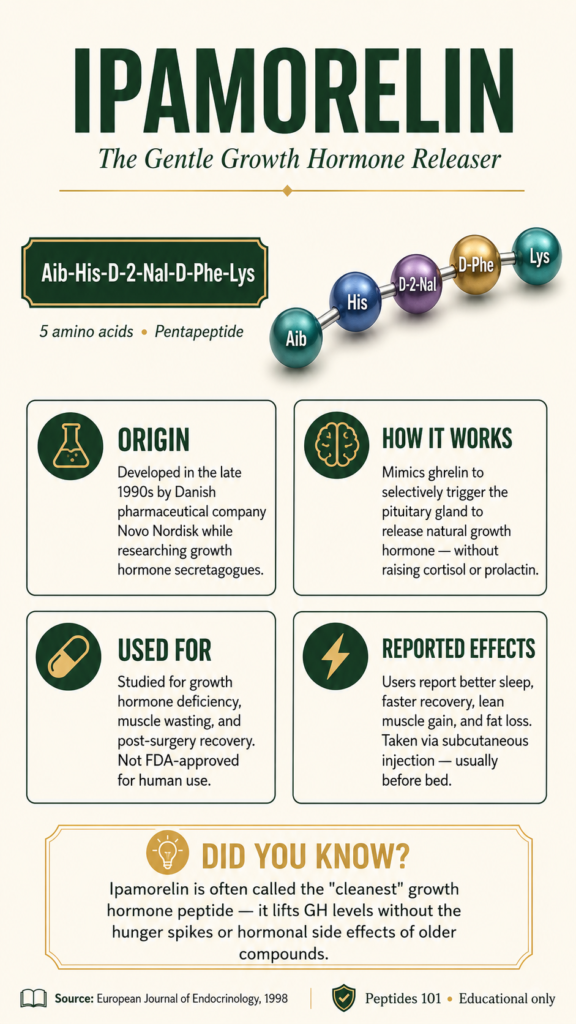
do peptides need to be refrigerated

Research Use Only Notice: Storage guidance below applies to research-grade peptides handled in laboratory settings. All compounds discussed are intended for in-vitro and animal research applications only.

Do peptides need to be refrigerated? For long-term stability, almost always yes — but the answer depends on the form of the peptide, how long you need it to last, and what kind of research workflow you’re running. Lyophilized powder is far more forgiving than reconstituted solution, and there’s a meaningful difference between “must refrigerate” and “should refrigerate for best results.” This guide explains exactly when peptide refrigeration is required, how long peptides last in the fridge, and how long they can safely sit out before degradation becomes a concern.

This post pairs with our broader stability overview on how long peptides last at room temperature and assumes you’ve already followed the protocol in how to reconstitute peptides for solutions you’re storing.

Do Peptides Need to Be Refrigerated? Direct Answer

The short answer breaks down by state of the compound:

  • Reconstituted peptide solutionsyes, refrigeration is required. Once water enters the vial, degradation begins, and refrigeration is the only way to extend stability beyond 24 hours.
  • Lyophilized peptide powderstrongly recommended but not strictly required short-term. Dry powder tolerates 2–4 weeks at room temperature for most sequences without measurable degradation.
  • Long-term storage (months to years)refrigeration or freezing is required. Even lyophilized powder degrades over time at room temperature; the standard for stockpiling research compounds is -20°C freezer storage.

The practical implication: if you’ve reconstituted a vial, it goes in the fridge immediately. If you’re stocking up on lyophilized powder you don’t plan to use for months, freezer storage is the protocol. For powder you’ll use within a week or two, room temperature is acceptable — though refrigerating it costs nothing and extends stability.

do peptides need to be refrigerated

Why Refrigeration Matters for Peptide Stability

Peptides degrade through a small set of chemical reactions, all of which accelerate with temperature:

  • Hydrolysis — water molecules cleave peptide bonds, breaking the sequence. The dominant degradation pathway for solutions.
  • Oxidation — exposure to oxygen damages amino acid residues like methionine, cysteine, and tryptophan.
  • Aggregation — peptide molecules clump together, forming insoluble particles that lose biological activity.
  • Deamidation — asparagine and glutamine residues spontaneously convert under thermal stress, altering the sequence.
  • Microbial growth — bacteria and fungi colonize aqueous solutions without preservatives, producing enzymes that further degrade the peptide.

The Arrhenius equation, well-established in pharmaceutical stability science, predicts that reaction rates roughly double every 10°C of temperature increase. A peptide that’s stable for 28 days at 4°C may be stable for only 14 days at 14°C and just 7 days at 24°C. This is why cold chain peptide storage matters — the difference between fridge and counter isn’t trivial.

The peptide stability literature documented on PubMed confirms these patterns across hundreds of specific sequences studied under accelerated stability conditions.

How Long Do Peptides Last in the Fridge?

Fridge stability depends on whether the peptide is reconstituted or still in dry form:

Peptide StateRefrigerated (2–8°C)Notes
Lyophilized powder (sealed)6–12 monthsAcceptable for routine use; freezer better for stockpile
Reconstituted with bacteriostatic water21–28 daysStandard window for active research
Reconstituted with sterile water (no preservative)24 hoursMust be used immediately
Reconstituted, aliquoted single-use vials (refrigerated)Same as parent solutionAliquots don’t extend the fridge window

The 21–28 day window for bacteriostatic-water solutions is the most important number for active research. After that window, microbial growth and chemical degradation begin to compromise both safety and accuracy. Many labs document the reconstitution date directly on the vial and discard at the 28-day mark even if the solution still looks clear — visual inspection alone isn’t sufficient.

do peptides need to be refrigerated

How Long Can Peptides Be Out of the Fridge?

How long peptides can be out of the fridge depends on the form and duration:

  • Lyophilized powder, less than 24 hours out of fridge: No concern. Powder is structurally stable at room temperature.
  • Lyophilized powder, 1–7 days out of fridge: Negligible degradation for most sequences. Return to refrigeration and proceed.
  • Lyophilized powder, 7–28 days out of fridge: Slow degradation begins. Most peptides remain usable but document the exposure.
  • Reconstituted solution, less than 4 hours out of fridge: Generally acceptable. Return to refrigeration.
  • Reconstituted solution, 4–24 hours out of fridge: Borderline. Microbial growth begins to accelerate. Evaluate visual cloudiness before use.
  • Reconstituted solution, more than 24 hours out of fridge: Discard. Risk to research data and potential safety concern.

For peptides left out of the fridge during shipping or transport, the same rules apply — but most research-peptide shipments are designed to tolerate 5–10 days of ambient transit for lyophilized vials. A shipment arriving with the powder still dry and intact is almost always usable.

When Refrigeration Isn’t Strictly Necessary

There are legitimate scenarios where refrigerating peptides isn’t critical:

  1. Short-term storage of unopened lyophilized vials — sealed powder used within 1–2 weeks is fine on the lab bench, provided ambient temperature stays below 25°C and humidity is normal.
  2. Transit and shipping — properly lyophilized peptides ship without refrigeration as standard industry practice.
  3. Field research with limited cold-chain access — research conducted in remote locations may rely on the powder form’s room-temperature tolerance for short windows.
  4. Day-of-use scenarios — a freshly reconstituted vial used within hours doesn’t require fridge time between draws if kept on the bench briefly.

For everything else — anything intended for use beyond a week or two — peptide refrigeration is the default protocol.

Best Refrigerator Storage Practices

If you’re refrigerating peptides, follow these practices to maximize stability:

  • Use the main compartment, not the door. The door shelf swings through temperature spikes every time the fridge opens. The back of the main compartment stays closest to the set point.
  • Maintain 2–8°C. Below 2°C risks freezing the solution unintentionally; above 8°C accelerates degradation.
  • Store vials upright. Keeps the stopper dry and reduces the risk of leakage from any micro-cracks.
  • Protect from light. A cardboard box or opaque container inside the fridge protects photosensitive sequences.
  • Avoid the freezer compartment of a frost-free fridge. Auto-defrost cycles introduce temperature fluctuations that can damage peptides. Use a dedicated freezer for frozen storage.
  • Label every vial with reconstitution date, concentration, and lot number. Without this you can’t track the stability clock.

For temperature monitoring, basic min-max thermometers or USB temperature loggers are inexpensive and provide an audit trail of cold-chain compliance — useful for any research that needs to document storage conditions, as referenced in NIST laboratory temperature monitoring guidance.

Signs Your Refrigerated Peptide Has Gone Bad

Refrigeration extends stability but doesn’t make it indefinite. Watch for:

  1. Cloudiness or turbidity in what should be a clear solution — indicates aggregation or microbial growth.
  2. Color change — yellow or amber tint in a previously clear solution signals oxidation.
  3. Floating particles or sediment — discrete precipitate at the bottom or floating in the solution.
  4. Off smell on opening — most peptide solutions are odorless; any unusual smell indicates contamination.
  5. Crystallization — if the solution accidentally froze and thawed, peptide aggregates may have formed irreversibly.
  6. Past the 28-day reconstitution date — discard even if appearance looks fine. Chemical degradation isn’t always visible.

For research that requires confirmed purity before each use, a fresh Certificate of Analysis verification on a new lot is the cleanest way to reset.

do peptides need to be refrigerated

FAQ

Should I refrigerate peptides as soon as they arrive?

Yes — even though lyophilized powder tolerates room temperature for weeks, refrigerating immediately on arrival starts the long-term clock. There’s no downside to refrigerating a sealed vial, and it extends your usable window.

What temperature should the fridge be set to?

The 2–8°C range is the standard for refrigerated peptide storage. Below 2°C risks accidental freezing of solutions; above 8°C accelerates degradation. A standard household refrigerator typically sits at 3–5°C, which is ideal.

Can I store peptides in the same fridge as food?

For research-grade compounds in sealed vials, the storage location doesn’t affect the peptide itself. However, dedicated research storage is preferred for traceability — a fridge with food traffic experiences more temperature swings and contamination risks. A dedicated dorm-sized fridge for research compounds is a common low-cost solution.

What if my peptide accidentally froze in the fridge?

Lyophilized powder is unaffected by freezing — that’s the freezer storage condition. Reconstituted solutions, however, can form aggregates when frozen unintentionally. Inspect the thawed solution carefully for cloudiness or particles; if any are present, discard.

Do I need a special research-grade fridge?

For most research-peptide storage, no — a standard household refrigerator at 2–8°C is sufficient. Laboratory-grade refrigerators with tighter temperature control and alarm systems are required only for GMP environments or studies with strict cold-chain documentation requirements.

do peptides need to be refrigerated

The TL;DR on peptide refrigeration: reconstituted solutions need it without exception; lyophilized powder benefits from it but tolerates some room-temperature exposure; long-term storage of any form should default to refrigeration or freezing. Following these basics protects both research data and the compounds themselves.

For research-grade peptides backed by documented stability data and per-lot Certificates of Analysis, browse the OPS Peptide Science catalog or verify a specific lot using its COA code.

Author: Shane Straight, Principal Chemist, OPS Peptide Science
Reviewed: May 2026
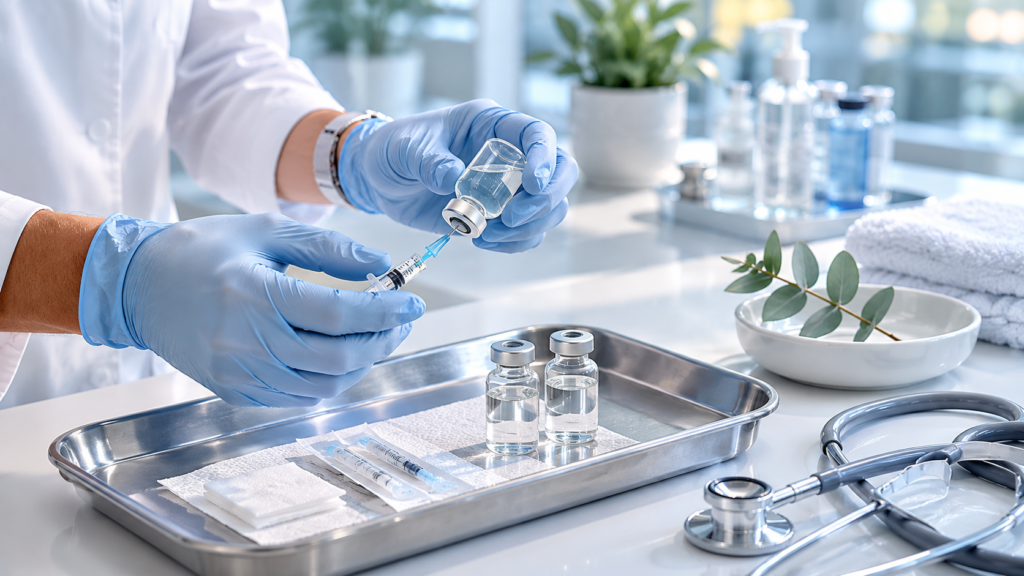
How Long Do Peptides Last at Room Temperature? Stability Guide

how long do peptides last at room temperature

Research Use Only Notice: The stability and storage information below describes conditions for research-grade peptides handled in laboratory and research settings. All compounds discussed are intended for in-vitro and animal research applications only.

How long do peptides last at room temperature? The answer depends entirely on whether the compound is still in lyophilized powder form or has been reconstituted with bacteriostatic water. Stability windows range from a few hours to several weeks depending on that distinction, the specific peptide sequence, and ambient conditions in the lab. This guide explains the realistic shelf life of research peptides in every storage state — and what determines whether your compound is still usable for accurate experimental data.

If you’ve just received a vial or are about to reconstitute one, our companion guides cover the upstream and downstream steps: how to reconstitute peptides for the mixing protocol, and how to inject peptides for administration once the solution is ready.

how long do peptides last at room temperature

The Short Answer: Two Scenarios — Powder vs. Reconstituted

Peptide stability falls into two distinct regimes depending on whether water has been added:

  • Lyophilized (dry powder) — extremely stable; tolerates short room-temperature exposure (days to weeks) without significant degradation
  • Reconstituted (in solution) — much more fragile; degrades within hours at room temperature, requires refrigeration

Most online confusion about peptide shelf life comes from conflating these two states. A dry vial that sat on a shipping dock for three days at 25°C is almost certainly fine. A reconstituted vial left on the bench overnight may have lost meaningful activity. The rules are completely different.

How Long Do Peptides Last in Powder Form?

Lyophilized peptide powder is the most stable form a research compound can be in. With water removed, the molecular structure is locked — the hydrolysis, aggregation, and oxidation reactions that degrade peptides in solution simply cannot occur without the water that drives them.

Realistic shelf-life ranges for lyophilized peptide powder:

Storage ConditionTypical Stability Window
-80°C (ultra-low freezer)3–5+ years
-20°C (standard lab freezer)18–24 months
2–8°C (refrigerated)6–12 months
Room temperature (18–25°C)2–4 weeks for most sequences
Elevated temperature (above 30°C)Hours to days — actively degrading

The 2–4 week room-temperature window for lyophilized powder is what allows international shipping of research peptides without dry ice. A vial in transit for 5–10 days at ambient temperature will arrive with no meaningful loss of activity, provided the peptide was correctly lyophilized at origin and the vial remains sealed.

What shortens the powder shelf life: exposure to light (some sequences are photosensitive), humidity (moisture seeping past a compromised stopper rehydrates the cake), and repeated temperature cycling (taking the vial in and out of the freezer multiple times).

How Long Do Peptides Last Once Reconstituted?

Once water enters the vial, the stability clock starts ticking much faster. The exact window depends on the diluent used:

  • Bacteriostatic water (0.9% benzyl alcohol): 21–28 days under refrigeration (2–8°C). The benzyl alcohol acts as a preservative, preventing microbial growth that would otherwise destroy the solution within days.
  • Sterile water (no preservative): 24 hours under refrigeration. Without a bacteriostatic agent, even refrigerated solutions become microbially compromised quickly.
  • Frozen reconstituted solution (-20°C): Several months if frozen in single-use aliquots. Freeze only once — each freeze-thaw cycle degrades the peptide.

The published peptide stability literature on PubMed documents these windows across hundreds of specific sequences. As a general rule, smaller peptides (under 10 amino acids) tend to be slightly more stable in solution than larger sequences (above 30 amino acids), but the storage practice is the same.

how long do peptides last at room temperature

How Long Do Peptides Last at Room Temperature?

Here’s the direct answer to how long do peptides last at room temperature, split by state:

  • Lyophilized powder at room temperature: 2–4 weeks with no meaningful degradation for most sequences. Acceptable for short-term storage and routine transit.
  • Reconstituted solution at room temperature: 24 hours maximum, and even that is conservative. Most research protocols treat any reconstituted vial left at room temperature for more than 4–6 hours as compromised.

What “room temperature” actually means matters here. Lab benchtops in climate-controlled rooms typically sit at 20–22°C. Storage cabinets in shipping warehouses or unheated rooms can spike to 30°C+ in summer. The higher the temperature, the faster degradation accelerates — every 10°C increase roughly doubles the rate of most degradation reactions, per the Arrhenius principle that the USP storage guidelines apply to pharmaceutical compounds.

How to Store Peptides for Maximum Stability

The optimal storage protocol depends on the peptide state and how often you’ll be accessing the vial. General guidance for how to store peptides used in active research:

For long-term storage of unopened lyophilized powder: Keep the sealed vial in a -20°C standard lab freezer. For compounds you don’t expect to use within a year, -80°C extends stability further. Avoid the door shelf of the freezer — temperature swings every time the door opens accelerate degradation.

For how to store dry peptides being actively used: A standard refrigerator (2–8°C) is acceptable for vials you’ll use within 6 months. This avoids the freeze-thaw cycling that occurs when you pull a vial from the freezer for each use.

For how to store reconstituted peptides: Refrigerate immediately after reconstitution (2–8°C) and use within 21–28 days. For research solutions that won’t be used quickly, aliquot the reconstituted volume into multiple smaller vials and freeze the extras at -20°C — single-use aliquots eliminate the freeze-thaw degradation problem.

Always label each vial with the reconstitution date, the concentration in mg/mL, and the lot number. Tracking stability across multiple experiments is impossible without this baseline data.

What Happens If You Leave Peptides Out of the Fridge?

If you find peptides left out of the fridge, the response depends entirely on the form and the duration:

  • Lyophilized powder, less than 7 days at room temperature: Almost certainly fine. Return to cold storage and proceed normally.
  • Lyophilized powder, 7–28 days at room temperature: Probably fine for most sequences. Some loss of activity possible for sensitive compounds. Visual inspection — the powder should look unchanged.
  • Lyophilized powder, more than 28 days at room temperature: Borderline. Document carefully and consider sourcing a fresh vial for studies requiring strict reproducibility.
  • Reconstituted solution, less than 4 hours at room temperature: Generally acceptable. Return to refrigeration and use on normal schedule.
  • Reconstituted solution, 4–24 hours at room temperature: Likely degraded. Decision depends on study tolerance.
  • Reconstituted solution, more than 24 hours at room temperature: Discard. Microbial contamination risk on top of peptide degradation.

Signs of Peptide Degradation

Visual inspection won’t catch every form of degradation — chemical changes are often invisible — but it will catch the obvious cases. Watch for:

  1. Cloudiness in a previously clear solution — indicates aggregation or microbial growth
  2. Color change — lyophilized powder darkening or solution turning yellow or amber suggests oxidation
  3. Particles or precipitate — visible floating matter in a once-clear solution
  4. Cake collapse or melting — lyophilized powder that has clearly absorbed moisture and turned into a sticky residue
  5. Off odor — most peptides are odorless; any unusual smell suggests bacterial contamination

Any of these warrants discarding the vial and documenting the lot number for follow-up. For research that requires strict purity confirmation, a fresh Certificate of Analysis verification on a new lot is the simplest path to reset the experiment.

how long do peptides last at room temperature

FAQ

How long do peptides last in the freezer?

Lyophilized peptide powder stored at -20°C remains stable for 18 to 24 months for most sequences. At -80°C, stability extends to 3 to 5 years or longer. Reconstituted solutions frozen at -20°C in single-use aliquots last several months but should only be frozen once.

Can peptides survive shipping at room temperature?

Yes, properly lyophilized peptides tolerate 5–10 days of room-temperature shipping with no meaningful degradation. This is the standard practice for research-peptide shipping worldwide. Sealed vials and proper lyophilization at origin are the key conditions.

Do peptides lose potency at room temperature?

Lyophilized powder loses minimal potency at room temperature within the first 2–4 weeks. Reconstituted solutions begin losing potency within hours at room temperature — measurable degradation typically appears at 4–6 hours and accelerates from there.

Why do peptides need cold storage if they’re stable as powder?

Cold storage extends the stability window dramatically. Even though lyophilized peptides are stable at room temperature for weeks, refrigeration and freezing extend that to months and years. For research compounds purchased in bulk, the cost of cold storage is trivial compared to discarding partially-used vials due to expired stability.

Can I refreeze a thawed reconstituted peptide?

No. Each freeze-thaw cycle degrades the molecule. The standard practice is to aliquot the reconstituted solution into single-use vials at the time of mixing, then thaw only the aliquot needed for each experiment. Once thawed, that aliquot should be used within the refrigerated stability window (21–28 days) and never refrozen.


Peptide stability is one of those topics where a little upfront knowledge eliminates a lot of wasted compound and confused experimental results. The short summary: keep lyophilized powder cold whenever possible but don’t panic about short room-temperature exposures, and treat reconstituted solutions as if they’re on a 28-day clock from the moment the bacteriostatic water enters the vial.

For research-grade peptides with documented stability data and per-lot Certificates of Analysis, browse the OPS Peptide Science catalog or verify a specific lot using its COA code.

Author: Shane Straight, Principal Chemist, OPS Peptide Science
Reviewed: May 2026
How to Reconstitute Peptides: Step-by-Step Research Guide

How to Reconstitute Peptides: Step-by-Step Research Guide

Research Use Only Notice: The information below describes laboratory reconstitution procedures for research-grade peptides. All compounds discussed are intended for in-vitro and animal research applications only. Nothing in this guide constitutes medical advice or instructions for human administration.

If you’ve just received a vial of lyophilized peptide and you’re staring at the powder wondering what’s next, you’re in the right place. Learning how to reconstitute peptides correctly is the single most important skill in any peptide research workflow — get it wrong and you compromise the entire experiment. This guide walks through the exact protocol our chemistry team at OPS Peptide Science uses to prepare research compounds for storage and laboratory study.

By the end, you’ll know exactly which diluent to choose, how much to add, how to handle the vial without denaturing the compound, and how long the reconstituted solution remains stable.

What Does It Mean to Reconstitute a Peptide?

Peptides shipped from a research supplier arrive in a lyophilized (freeze-dried) form. Freeze-drying removes water from the compound, leaving behind a stable, powdery cake at the bottom of the vial. This dramatically extends shelf life — a properly lyophilized peptide stored at -20°C can remain stable for 18 to 24 months.

Reconstitution is the process of adding a sterile diluent back into the vial to dissolve the powder into a usable liquid solution. Once reconstituted, the compound is ready for accurate volumetric measurement in research applications.

The diluent of choice is almost always bacteriostatic water (also called BAC water), which contains 0.9% benzyl alcohol — a preservative that prevents microbial growth in the solution. This is what allows the reconstituted peptide to be stored under refrigeration for up to 28 days. Plain sterile water can be used but offers no antimicrobial protection.

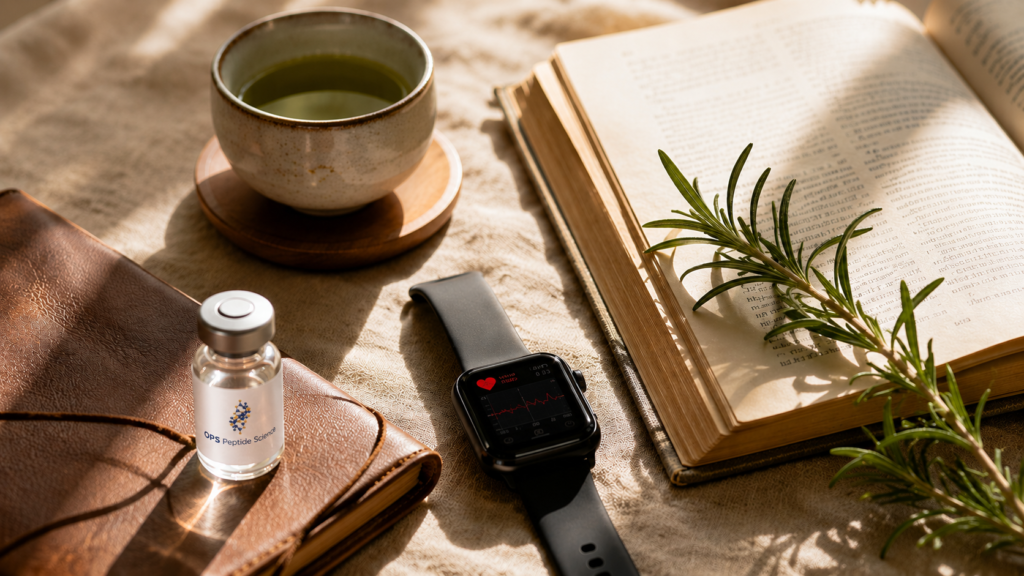
Researcher reconstituting a lyophilized peptide vial with bacteriostatic water using a sterile syringe

What You Need Before You Begin

A clean reconstitution requires a small but specific set of supplies. Before opening the vial, gather the following:

  • Bacteriostatic water — 10mL or 30mL vial, 0.9% benzyl alcohol formulation
  • Insulin syringes — typically 1mL (100-unit) or 0.5mL (50-unit), 27- to 31-gauge
  • Alcohol prep pads — for sanitizing the rubber stoppers of both vials
  • Clean, flat work surface — preferably a benchtop wiped with 70% isopropyl
  • Nitrile gloves — to avoid contaminating the vial septum
  • Sharps container — for safe needle disposal post-procedure

Quality of supplies matters. Low-grade bacteriostatic water with inconsistent benzyl alcohol concentration can shorten the stability window of your reconstituted solution. Sourcing both the peptide and the diluent from suppliers that publish a per-lot Certificate of Analysis is the simplest way to control that variable.

How to Reconstitute Peptides Step-by-Step

Here is the exact procedure. Read it through once before starting so you don’t have to pause mid-process.

Step 1 — Bring the vial to room temperature. If you stored the lyophilized peptide in a freezer or refrigerator, let it sit on the bench for 20 to 30 minutes. Cold glass causes condensation when you open it, and moisture is the enemy of dry peptide stability.

Step 2 — Sanitize the stoppers. Wipe the rubber septum of both the bacteriostatic water vial and the peptide vial with a fresh alcohol prep pad. Let them air-dry for 15 to 20 seconds. Do not touch the cleaned surface afterward.

Step 3 — Draw the diluent. Insert your insulin syringe into the bacteriostatic water vial at a 90-degree angle. Pull back the plunger and draw your calculated volume (we’ll cover the math in the next section).

Step 4 — Inject down the side of the peptide vial. This is the critical move that most beginners get wrong. Do not aim the stream of water directly at the lyophilized powder. The force of the liquid hitting the cake can shear the peptide molecules and degrade the compound. Instead, tilt the vial slightly and let the bacteriostatic water trickle down the glass wall, pooling at the bottom around the powder.

Step 5 — Let it dissolve passively. Set the vial down upright and wait 30 to 60 seconds. Most peptides dissolve on their own as the water saturates the cake. If powder remains, swirl gently — never shake. Vigorous shaking introduces air bubbles and can denature the molecule. Some researchers prefer to roll the vial slowly between their palms for 20 to 30 seconds.

Step 6 — Inspect the solution. A correctly reconstituted peptide solution should be completely clear, with no cloudiness, particles, or precipitate. If you see anything floating, the compound may have been degraded — set the vial aside and document the lot number for follow-up.

Step 7 — Label the vial. Write the reconstitution date, the concentration (mg/mL), and the lot number on the vial or on a small label. This becomes critical for stability tracking across multiple experiments.

how to reconstitute peptides

How to Mix Peptides With Bacteriostatic Water: The Math

Choosing the right volume of bacteriostatic water is what determines your final concentration — and your dosing accuracy downstream. The formula is straightforward:

Concentration (mg/mL) = Peptide mass (mg) ÷ Volume of bacteriostatic water (mL)

For a 5mg peptide vial reconstituted with 2mL of bacteriostatic water:

  • Concentration = 5 ÷ 2 = 2.5 mg/mL

To convert into convenient measurement on a U-100 insulin syringe (where 100 units = 1mL):

  • Each 10 units on the syringe = 0.1mL = 0.25mg of peptide

Common reconstitution ratios used in research workflows:

Vial SizeBAC WaterConcentration10 units (U-100)
5mg1mL5.0 mg/mL0.50mg
5mg2mL2.5 mg/mL0.25mg
5mg2.5mL2.0 mg/mL0.20mg
10mg2mL5.0 mg/mL0.50mg
10mg3mL3.33 mg/mL0.33mg
15mg3mL5.0 mg/mL0.50mg

Higher concentrations (less water) save on syringe volume per dose but reduce the margin for measurement error. Most research protocols favor a 2.5 to 5 mg/mL working range as a balance between precision and shelf efficiency.

How to Reconstitute Lyophilized Peptides Without Damaging Them

The lyophilized form is structurally fragile. A few additional precautions protect the active compound during the rehydration step:

  • Never use hot water. Some researchers assume warm water dissolves powder faster — it doesn’t, and elevated temperatures can break the peptide bonds. Room-temperature bacteriostatic water is always correct.
  • Avoid pH extremes. Standard bacteriostatic water is buffered near neutral pH. Substituting acidic or alkaline solvents without protocol justification can hydrolyze sensitive sequences.
  • Don’t centrifuge unless required. Centrifugation isn’t needed for routine reconstitution and can stress certain delta-bonded sequences.
  • Reconstitute the entire vial at once. Partial reconstitution (adding a small amount of water and using the rest later) introduces moisture into a vial that’s supposed to stay dry. Once you open the vial for reconstitution, plan to use it on a stability schedule.

Storage of BPC-157, TB-500, and copper-bound sequences like GHK-Cu each have minor variations on these guidelines — but the core principle (room-temperature BAC water, side-of-vial delivery, gentle swirling) applies across the catalog.

How to Mix Bacteriostatic Water With Peptides for Long-Term Storage

Once a peptide is in solution, its stability clock starts. Bacteriostatic water’s benzyl alcohol gives you a window — but that window depends on temperature and the specific compound.

Refrigerated (2–8°C): Most peptides remain stable for 21 to 28 days once reconstituted. This is the standard storage condition for an actively-used research solution.

Frozen (-20°C): A reconstituted solution can be frozen for longer-term storage, but only freeze it once. Each freeze-thaw cycle degrades the molecule slightly, and after two or three cycles you’ll see meaningful loss of activity. To work around this, many researchers aliquot the reconstituted solution into smaller vials at the time of mixing — that way each future experiment thaws only what’s needed.

Room temperature: Avoid this for reconstituted peptides. Even with bacteriostatic water’s preservative, ambient temperature accelerates degradation significantly.

For deeper reading on peptide stability across storage conditions, the PubMed literature on peptide stability and the USP guidelines on bacteriostatic preparations are the primary references our lab uses internally.

how to reconstitute peptides

Common Reconstitution Mistakes

Most failed reconstitutions trace back to one of five issues. Watch for these:

  1. Shaking instead of swirling — produces foam, denatures the peptide, and shortens stability
  2. Spraying water directly onto the powder — high-velocity impact damages the lyophilized cake
  3. Reusing needles between vials — cross-contaminates the bacteriostatic water vial, killing the preservative
  4. Skipping the alcohol wipe — the rubber septum is not sterile out of the box; coring through unsanitized rubber introduces contaminants
  5. Failing to label — losing track of reconstitution date is the single most common reason researchers throw out expensive compounds

FAQ

Can I use sterile water instead of bacteriostatic water?

Yes, but the reconstituted solution must then be used within 24 hours. Sterile water has no preservative, so microbial growth becomes a risk after that window.

What if my peptide doesn’t fully dissolve?

Wait another 60 to 90 seconds and swirl gently again. If powder persists after five minutes of patient swirling, the cake may be over-compressed — gentle warming of the vial between your palms can help. Cloudy solutions or visible particles after that point indicate the vial may be compromised.

How long do peptides last once reconstituted?

With bacteriostatic water at 2–8°C, most research peptides remain stable for 21 to 28 days. Frozen at -20°C they can last several months, but only if frozen once.

Can I mix two peptides in the same vial?

Avoid this for routine research. Different sequences have different optimal storage conditions, and combined solutions complicate stability tracking. Use separate vials and combine in the syringe at the point of use only if a protocol requires it.

What size syringe should I use?

A U-100 (1mL) or U-50 (0.5mL) insulin syringe with a 27- to 31-gauge needle is standard. The fine gauge minimizes coring of the rubber septum across repeated draws.

For research-grade peptides with per-lot Certificates of Analysis and full HPLC-MS purity documentation, browse the OPS Peptide Science catalog or verify a specific lot using its COA code.

Author: Shane Straight, Principal Chemist, OPS Peptide Science
Reviewed: May 2026

Hello!

Click one of our representatives below to chat on Telegram or send us an email to sales@opsscience.org

Contact Us On Telegram