Home

What Are Peptides? A Quick Research Primer

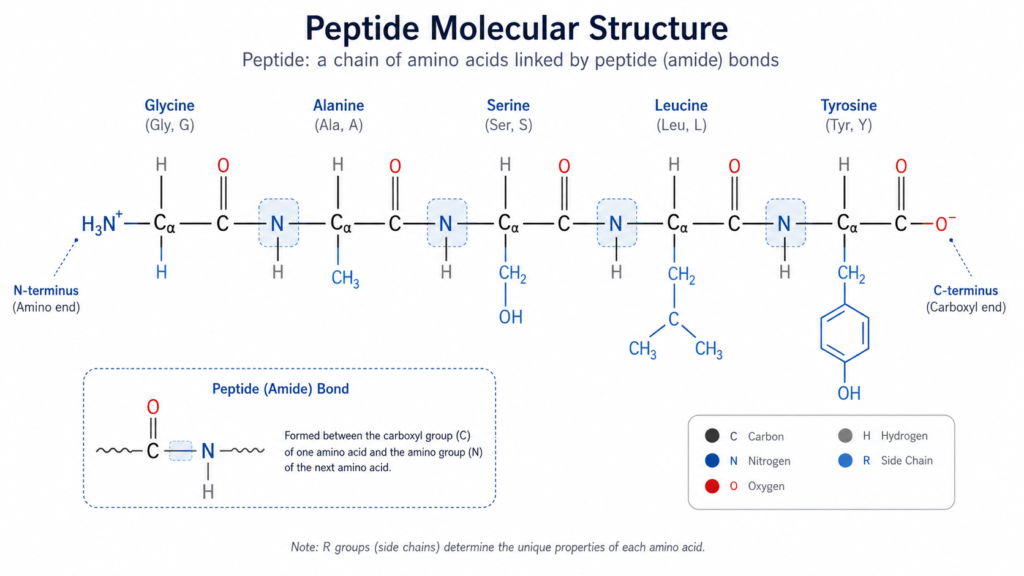
Peptides are short chains of amino acids  the same building blocks that make up proteins, just in shorter sequences. By definition, peptides have fewer than 50 amino acids; longer chains are classified as proteins. They occur naturally throughout biological systems as signaling molecules: insulin is a peptide hormone, glucagon is a peptide, and many neurotransmitters and growth factors are peptides.

In modern research, synthetic peptides are studied across dozens of biological systems  tissue repair (BPC-157, TB-500), metabolic regulation and weight loss research (semaglutide, tirzepatide), cellular longevity (Epitalon, MOTS-c, SS-31), cognitive research (Selank, Semax), skin biology and copper peptides (GHK-Cu), and immune function (Thymosin Alpha-1). Each peptide is engineered to mimic or modulate a specific natural signaling pathway.

What separates research-grade peptides from FDA-approved peptide drugs is regulatory status, not chemistry. Both are real biological molecules the difference is which ones have completed FDA approval (semaglutide as Ozempic, tirzepatide as Mounjaro) versus which remain in the research-chemical category for in-vitro and animal study. Research peptides are sold legally in the United States under research-use-only labeling, never for human consumption.

At OPS Peptide Science, every research peptide we offer is third-party HPLC-MS verified through our BIOVIRIDIAN Certificate of Analysis system. Lab-tested. ISO-standard. Documented per-lot. Whether you’re studying metabolic regulation, tissue repair, cellular longevity, or cognitive research, our 130+ compound catalog covers the full spectrum of modern peptide research.

→ Verify a Certificate of Analysis  |  Browse the Full Research Catalog →

What Are Peptides?

Peptides For Research And Biological Optimization: 2026 Research Catalog

Welcome to OPS Peptide Science, where laboratory precision meets the frontier of human potential. As a premier supplier of research grade peptides, we specialize in providing the high-purity tools necessary for the next generation of clinical and neurological study.
VERIFY COA
what are peptides

The Frontiers of Human Optimization: Our Core Research Categories

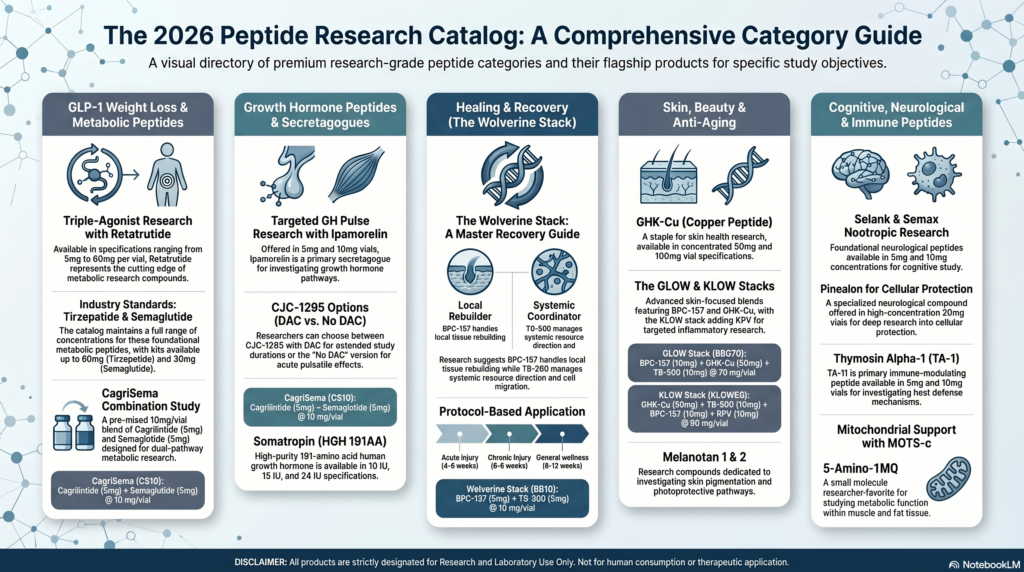
OPS Peptide Science provides a multi-disciplinary ecosystem of research grade peptides designed for high-precision laboratory study. Our 2026 catalog spans the full spectrum of human biology, beginning with Metabolic and Endocrine Research. This pillar offers the latest GLP-1 research peptides and triple-agonist compounds like Retratrutide and Semaglutide, alongside GH secretagogues such as Ipamorelin, to facilitate deep investigations into glucose management, weight signaling, and hormonal synergy.

For researchers focusing on physical resilience and longevity, our Healing and Aesthetic categories feature the renowned Wolverine Stack BPC-157 TB-500  (BPC-157 & TB-500) and the longevity powerhouse GHK-Cu Copper Peptide Research. These tools are essential for studying advanced tissue remodeling, collagen synthesis, and cellular rejuvenation. Rounding out the portfolio, our Cognitive and Immune pillars deliver foundational nootropics like Selank and Semax alongside potent immune modulators like Thymosin Alpha-1. If you are investigating mitochondrial efficiency, we offer mitochondrial support MOTS-c or neurological protection with Pinealon, our collection ensures your laboratory has access to the high-tier specifications required to push the boundaries of systemic health.

get now

Peptides for Weight Loss Research: GLP-1 Compounds in Modern Metabolic Science

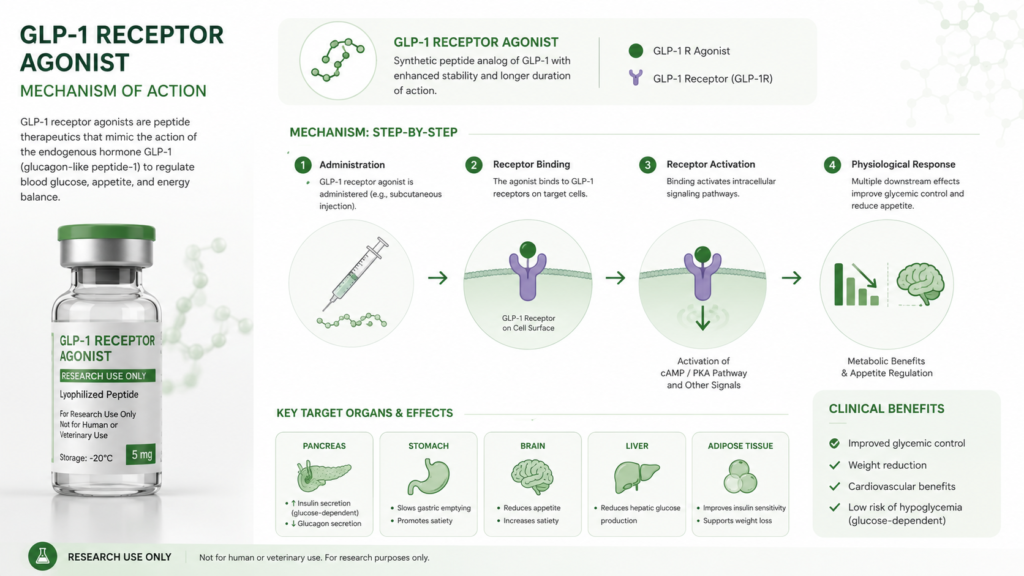
When researchers discuss peptides for weight loss, they’re almost always referring to the GLP-1 receptor agonist family — synthetic peptides that mimic the body’s natural glucagon-like peptide-1 hormone. This compound class has become the most active area in metabolic peptide research over the past decade, driven by the FDA approvals of semaglutide (Ozempic, Wegovy) and tirzepatide (Mounjaro, Zepbound) for diabetes and weight management indications. Research-grade versions of these and related compounds remain in active study across in-vitro and animal models.

OPS Peptide Science maintains research-grade versions of the major GLP-1 family compounds for laboratory research:

  • Semaglutide — the most-studied GLP-1 receptor agonist; weekly half-life makes it a workhorse of research protocols
  • Tirzepatide — dual GLP-1/GIP agonist; broader receptor coverage than single-target compounds
  • Retatrutide — triple GLP-1/GIP/glucagon receptor agonist; the newest compound in this class
  • Liraglutide — daily GLP-1 agonist with established research literature
  • AOD-9604 — research compound studied alongside GLP-1 sequences for body composition endpoints

Research applications span insulin sensitivity studies, body composition research in animal models, food intake regulation, gastric emptying kinetics, and downstream metabolic biomarker panels. Each compound has a distinct receptor selectivity profile and pharmacokinetic curve, allowing researchers to isolate specific aspects of GLP-1 signaling in study design.

Research-grade peptides for weight loss research require strict purity verification because the metabolic endpoints measured are sensitive to even small variations in compound identity. Every GLP-1 family compound in our catalog is third-party HPLC-MS verified per lot through the BIOVIRIDIAN Certificate of Analysis system.

→ Browse GLP-1 Research Peptides  |  Verify a Certificate of Analysis

Peptides for Weight Loss

The Wolverine Stack BPC-157 TB-500: A New Standard in Tissue Remodeling

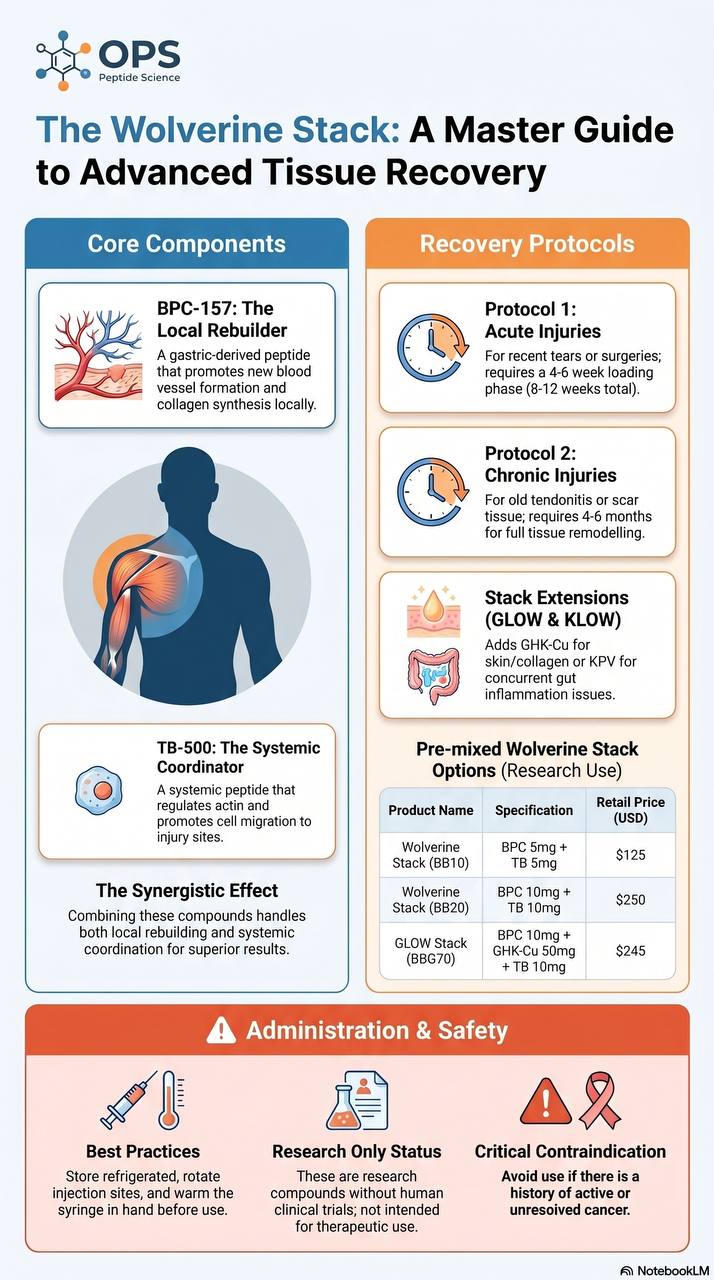
Accelerate the study of systemic and localized repair with the Wolverine Stack, our premier recovery protocol. By combining the localized healing properties of BPC-157 with the systemic cell-migration capabilities of TB-500, this stack provides a synergistic approach to investigating tendon, muscle, and ligament repair.

Our recovery category offers tiered protocols for both acute and chronic injury research. Whether you are investigating 4-6 week loading phases for recent tears or long-term tissue remodeling over several months, our pre-mixed options—including the BB10 and BB20 kits—deliver the precision dosing necessary to maintain rigorous laboratory standards and observe superior healing outcomes.

what are peptides

Peptides for Skin & Copper Peptides: Research-Grade Aesthetic Compounds

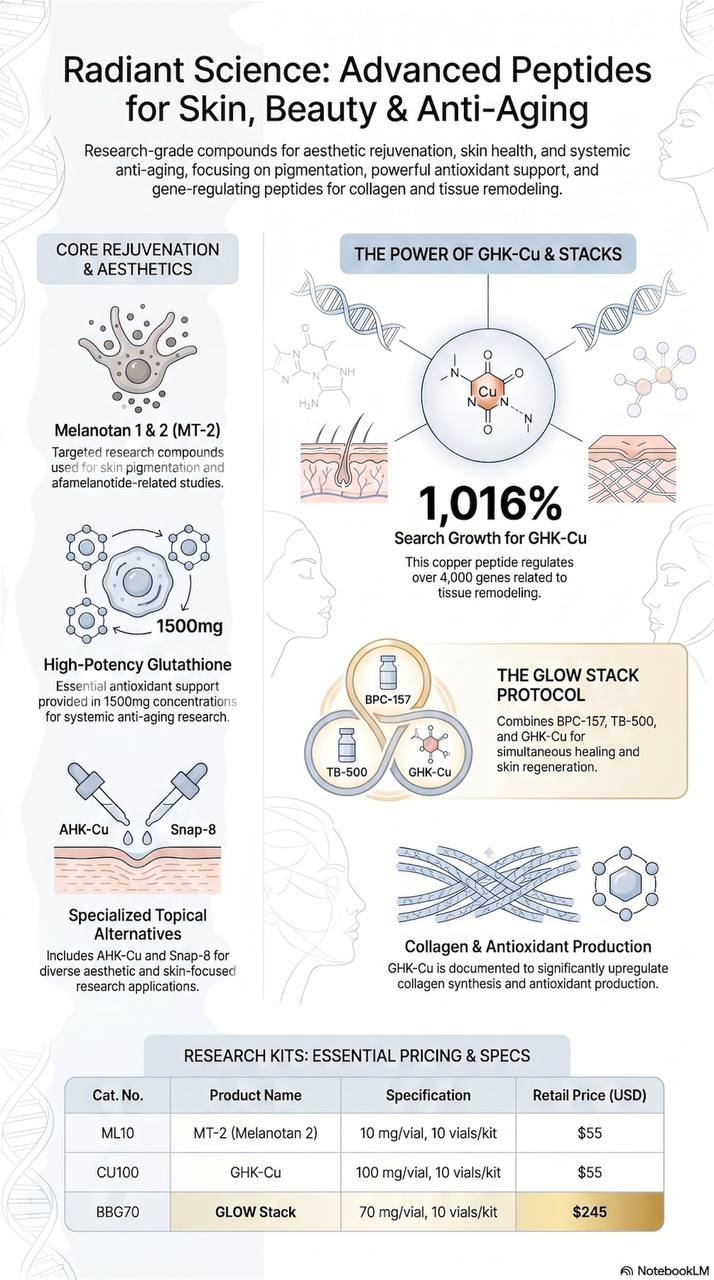
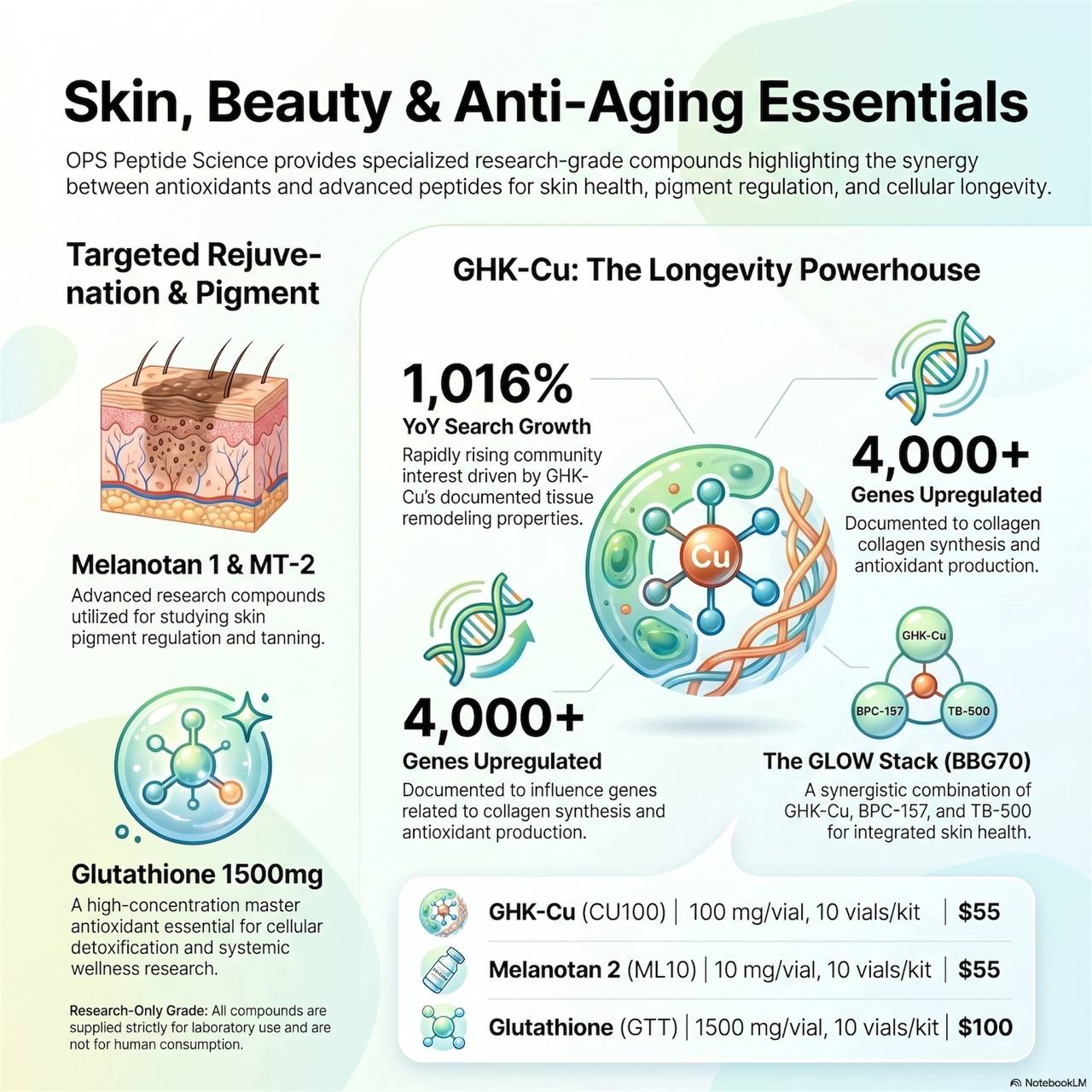
       Peptides for skin research has expanded rapidly with the rise of copper peptides like GHK-Cu — a tripeptide bound to copper ions that occurs naturally in human plasma and declines with age. The skin biology research literature documents copper peptides as modulators of collagen synthesis, fibroblast activity, and over 4,000 gene expression patterns related to dermal tissue regeneration.

OPS Peptide Science offers research-grade peptides for skin and copper peptide compounds for in-vitro and animal study:

  • GHK-Cu — the foundational copper peptide; documented for collagen synthesis upregulation and antioxidant production
  • AHK-Cu — alanyl-histidyl-lysine copper variant; complementary copper peptide research applications
  • Snap-8 — synthetic peptide studied for facial muscle research applications
  • Glutathione (1500mg) — master antioxidant studied alongside copper peptides for cellular detoxification research
  • Melanotan 1 & 2 — research compounds for melanocortin pathway studies in skin pigment research
  • GLOW Stack (BBG70) — synergistic combination of GHK-Cu, BPC-157, and TB-500 for integrated skin biology research

These peptides for skin research and the broader copper peptide family represent the most active growth area in research-grade aesthetic compounds. All products are third-party HPLC-MS verified per lot through the BIOVIRIDIAN Certificate of Analysis system, with documented purity specifications for every batch.

→ Browse Skin Research Peptides  |  Verify a Certificate of Analysis

Precision Neuro-Research: Advancing Cognitive Science

Explore the frontier of neurological study with our curated catalog of nootropics and bioregulators. OPS Peptide Science provides high-purity compounds like Selank and Semax, specifically engineered for research into focus, stress modulation, and neuroprotection. Our selection includes specialized bioregulators such as Pinealon, designed for deep cellular research into circadian rhythms and neurological repair.

For researchers focusing on sleep architecture and metabolic signaling, we offer specialized compounds like DSIP (Delta Sleep-Inducing Peptide) and 5-Amino-1MQ. Every kit is supplied in laboratory-standard 10-vial configurations, ensuring consistency across multi-phase studies and providing the high-tier specifications required for advanced cognitive mapping.

what are peptides

The Peak Optimization Toolkit: Resilience & Mitochondrial Health

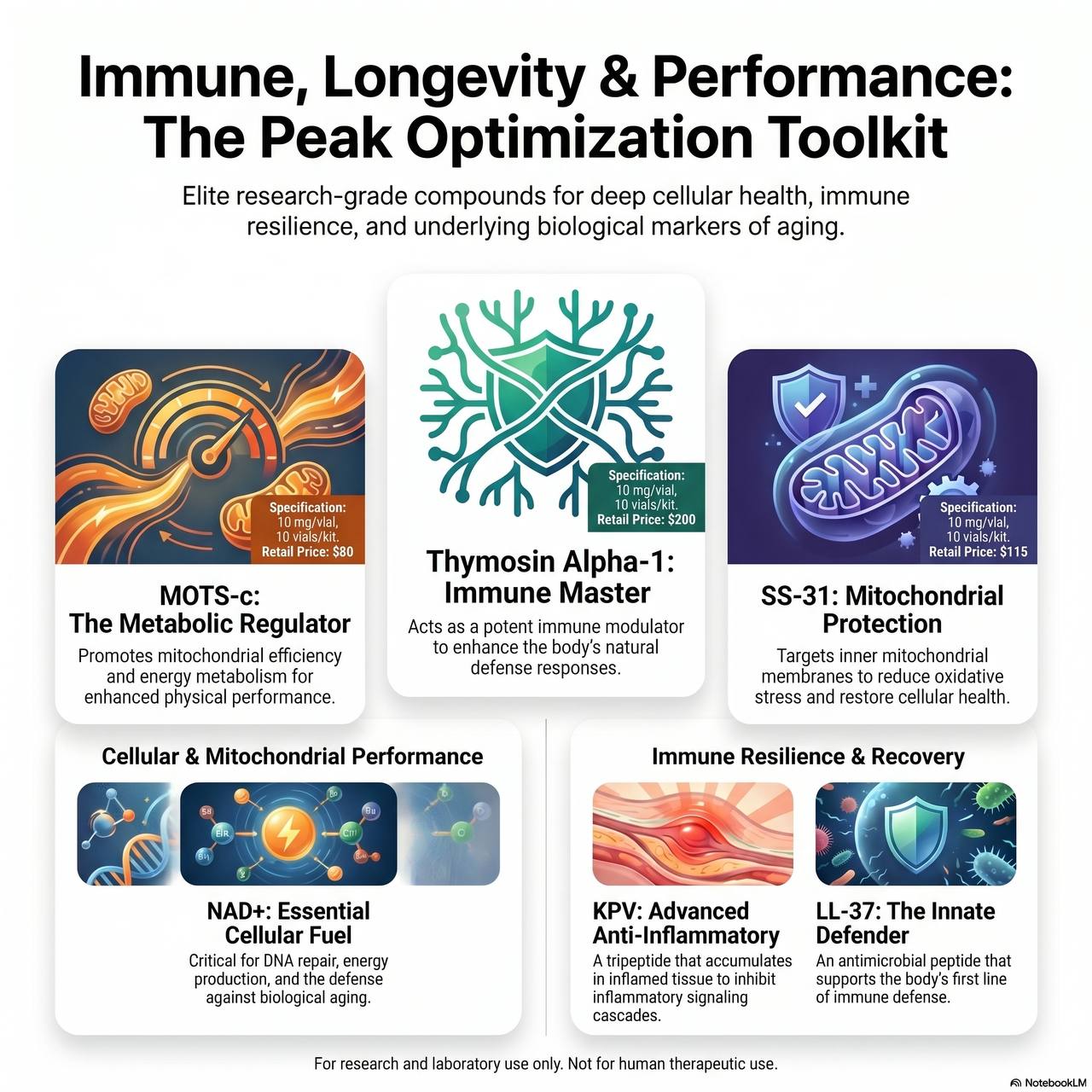
Investigate the underlying biological markers of aging with our Immune and Longevity suite. This section focuses on deep cellular health through mitochondrial regulators like MOTS-c and SS-31, which target energy metabolism and oxidative stress. By incorporating NAD+, the essential fuel for DNA repair, researchers can explore new pathways in biological age reversal and physical performance enhancement.

Our toolkit also features Thymosin Alpha-1 (TA-1), the “Immune Master,” and the innate defender LL-37. These compounds allow for detailed investigation into immune modulation and antimicrobial defense responses. Designed for elite research environments, these compounds offer the precision needed to study how the body maintains resilience against environmental and biological stressors.

Hormonal Synergy: Advanced Growth Hormone Research

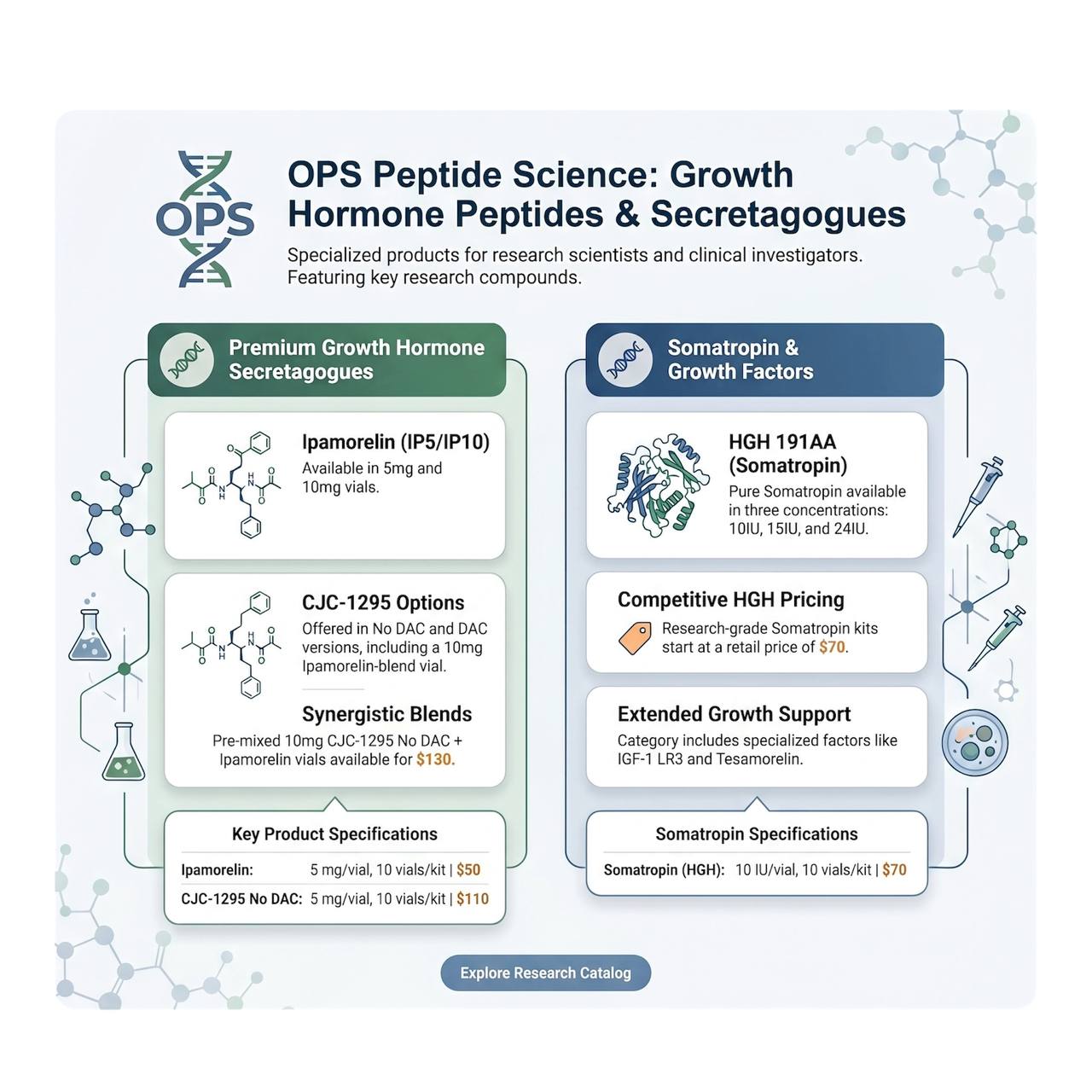
OPS Peptide Science offers a comprehensive range of GH Peptides and Secretagogues for clinical investigators. Our catalog includes industry-standard Ipamorelin and CJC-1295 (available in both DAC and No DAC versions), providing researchers with the flexibility to study acute pulsatile effects or extended growth hormone pathways.

For those requiring high-purity growth factors, we provide Somatropin (HGH 191AA) in multiple concentrations, including 10 IU, 15 IU, and 24 IU specifications. Our synergistic blends, such as the pre-mixed CJC-1295 + Ipamorelin vials, are engineered to maximize research efficiency and explore the cutting edge of metabolic and tissue-growth signaling.

WHY OPS PEPTIDE SCIENCE?

Epitalon: Complete Research Guide to the Telomerase Peptide

Research Use Only Notice: Epitalon is a research peptide intended for in-vitro and animal research [...]

Thymosin Alpha-1: Complete Research Guide to the Immune-Modulating Peptide

Research Use Only Notice: Thymosin Alpha-1 discussed in this article as a research compound is [...]

SS-31: Complete Research Guide to the Mitochondrial Membrane Peptide

Research Use Only Notice: SS-31 (Elamipretide) is a research peptide intended for in-vitro and animal [...]

Retatrutide: Complete Research Guide to the Triple Agonist Peptide

Research Use Only Notice: Retatrutide is a research peptide intended for in-vitro and animal research [...]

Selank Semax: Complete Research Guide to the Cognitive Peptide Stack

Research Use Only Notice: Selank Semax are research peptides intended for in-vitro and animal research [...]

MOTS-c: Complete Research Guide to the Mitochondrial-Derived Peptide

Research Use Only Notice: MOTS-c is a research peptide intended for in-vitro and animal research [...]

CJC-1295 + Ipamorelin: Complete Research Guide to the GH Secretagogue Stack

Research Use Only Notice: CJC-1295 and Ipamorelin are research peptides intended for in-vitro and animal [...]

1 Comment

GHK-Cu: Complete Research Guide to the Copper Tripeptide

Research Use Only Notice: GHK-Cu is a research peptide intended for in-vitro and animal research [...]

 TESTIMONIAL

WHAT OUR CUSTOMERS SAY

Sarah L., Molecular Biologist & Senior Investigator
Dr. Marcus V., Clinical Research Lead