BPC-157
Price range: $55.00 through $80.00
BPC-157 remains the most talked about peptide of 2026 because it solves real problems like chronic injuries, gut dysfunction, and stalled healing . That mainstream medicine often struggles to address. While the regulatory landscape continues to evolve and human trial data remains incomplete, the depth of preclinical evidence and the breadth of anecdotal outcomes have kept BPC-157 firmly at the top of the regenerative peptide hierarchy.
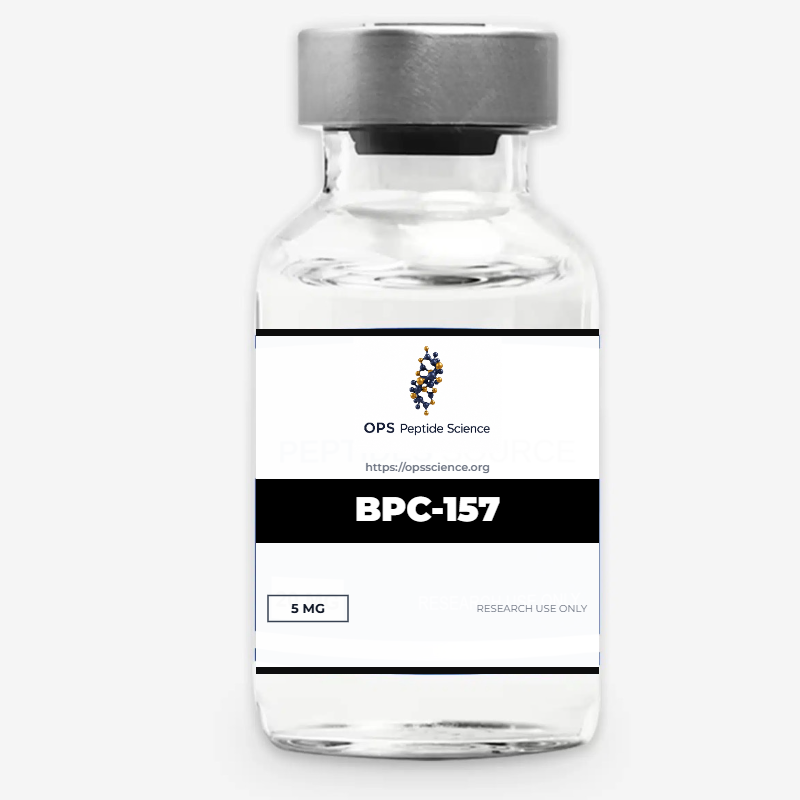
BPC-157
BPC-157, short for Body Protection Compound-157, is a synthetic pentadecapeptide composed of 15 amino acids derived from a naturally occurring protective protein found in human gastric juice. Often called the “Wolverine peptide” because of its rapid healing reputation, BPC-157 has become one of the most searched, studied, and discussed regenerative peptides in the world of integrative medicine, sports recovery, and longevity science.
Unlike traditional anti-inflammatories that simply suppress symptoms, BPC-157 works at a cellular level — promoting angiogenesis (new blood vessel formation), modulating growth factors, and accelerating the repair of soft tissue, ligaments, tendons, muscles, and the gastrointestinal lining. It has been the subject of hundreds of preclinical studies over the past three decades, making it one of the most-researched experimental peptides in existence.

How BPC-157 Works: Mechanism of Action
BPC-157 exerts its remarkable effects through several overlapping biological pathways:
- Angiogenesis stimulation: It upregulates VEGF (vascular endothelial growth factor), accelerating blood vessel formation at injury sites and improving oxygen and nutrient delivery to damaged tissue.
- Growth factor modulation: It enhances the activity of growth hormone receptors, fibroblast growth factor, and EGF, all critical to tissue repair.
- Nitric oxide pathway: BPC-157 influences the NO system, supporting vascular health, blood flow, and gut barrier integrity.
- Anti-inflammatory action: It reduces pro-inflammatory cytokines without the side effects associated with NSAIDs.
- Neuroprotection: Emerging research suggests it may also support nerve regeneration and dopaminergic pathways.
This multi-pathway action is why BPC-157 is often described as a “systemic healer” rather than a targeted drug.
Top Benefits of BPC-157
The therapeutic potential of BPC-157 spans an unusually wide range of applications. The most commonly reported benefits include:
- Tendon and ligament healing — particularly for tears, sprains, and chronic tendinopathy that fail to respond to conventional treatment.
- Muscle repair — accelerated recovery from training, strains, and post-surgical rehabilitation.
- Gut health and digestive repair — leaky gut, IBS, ulcers, gastritis, and inflammatory bowel conditions.
- Joint pain relief — reduced inflammation in osteoarthritis and overuse injuries.
- Wound healing — improved closure of skin wounds and surgical incisions.
- Nerve regeneration — supportive role in peripheral nerve injuries.
- Bone healing — promotes osteoblast activity and faster fracture recovery.
- Liver and brain protection — emerging neuroprotective and hepatoprotective effects.
BPC-157 for Athletes and Injury Recovery
Athletes and weekend warriors have made BPC-157 famous. Tendon injuries — especially Achilles, rotator cuff, and patellar tendon issues — are notoriously slow to heal due to poor blood supply. BPC-157’s angiogenic effect addresses this root problem directly, which is why it has become the go-to recovery peptide in elite training circles and physiotherapy clinics that operate within the compounding pharmacy framework.
BPC-157 for Gut Health
Because BPC-157 originates from a stomach-derived protein, it has a special affinity for gastrointestinal tissue. Research demonstrates it may help repair the gut lining, reduce intestinal permeability, protect against NSAID-induced ulcers, and modulate the gut-brain axis. For people dealing with chronic digestive issues, this is often the entry point into peptide therapy.
BPC-157 Research and Clinical Evidence
BPC-157 sits in the preclinical evidence tier. There are extensive animal studies — covering tendons, muscles, ligaments, GI tract, brain, and bone — but completed human efficacy trials remain limited. This is the central tension around the compound: a powerful, replicable signal in rodents and emerging human anecdotal data, paired with a lack of large randomized controlled trials.
BPC-157 Side Effects and Safety Profile
Reported side effects in clinical and anecdotal settings have been minimal, typically limited to mild injection site irritation, occasional headaches, dizziness, or temporary fatigue. Theoretical concerns include the possibility that any compound promoting angiogenesis could also support unwanted cell growth, though no human evidence currently supports this concern. As always, anyone considering BPC-157 should consult a qualified medical provider.
Regulatory Status: Is BPC-157 Legal in 2026?
BPC-157 was placed on the FDA’s Category 2 restricted list in late 2023, halting compounding pharmacy preparation. In February 2026, HHS announced plans to reclassify approximately 14 peptides — including BPC-157 — back to Category 1, with a formal Pharmacy Compounding Advisory Committee review scheduled for July 2026. As of May 2026, formal FDA publication is still pending. It remains widely available as a research-grade compound globally.
How Is BPC-157 Administered?
BPC-157 is most commonly administered via subcutaneous injection near the site of injury, although oral forms are also used — particularly for gut-related applications, where oral dosing makes biological sense given its gastric origin. Specific dosing should only be determined by a qualified medical provider.
BPC-157 vs TB-500: Which Healing Peptide Wins?
BPC-157 and TB-500 (Thymosin Beta-4) are frequently stacked together because they work through complementary mechanisms. BPC-157 excels at localized healing, gut repair, and tendon work; TB-500 promotes systemic cell migration and flexibility. Many users combine them for maximum regenerative effect.
Frequently Asked Questions About BPC-157
Is BPC-157 a steroid? No. It is a peptide, not an anabolic steroid, and does not affect testosterone or estrogen pathways.
How fast does BPC-157 work? Many users report noticeable improvements within 2–4 weeks, though tendon and ligament work often requires 8–12 weeks of consistent use.
Can BPC-157 be taken orally? Yes, particularly for gut-related conditions, though subcutaneous injection is the most studied route for systemic effects.
Is BPC-157 banned by WADA? Yes — BPC-157 is prohibited by the World Anti-Doping Agency for competitive athletes.
| Dosage | 10 mg, 5 mg |
|---|
Be the first to review “BPC-157”
Related products
Skin
Skin
Immune
GH
Healing
Reviews
There are no reviews yet.